Clamp opening and throat depth compared
Jaw opening and throat depth solve different problems. Here is what to measure before choosing a six- or twelve-inch clamp.

Hand tools and workholding for small projects.
12 posts
The comparisons begin with ordinary bench questions: keeping two faces flush, copying an angle, repeating an offset or reading a short dimension. Follow the question that matches the work, then use the product records to check the exact version.
You do not need to buy every alternative in a comparison. A second size earns its place when the first cannot span or fit the work; a different tool type earns its place when the operation changes.
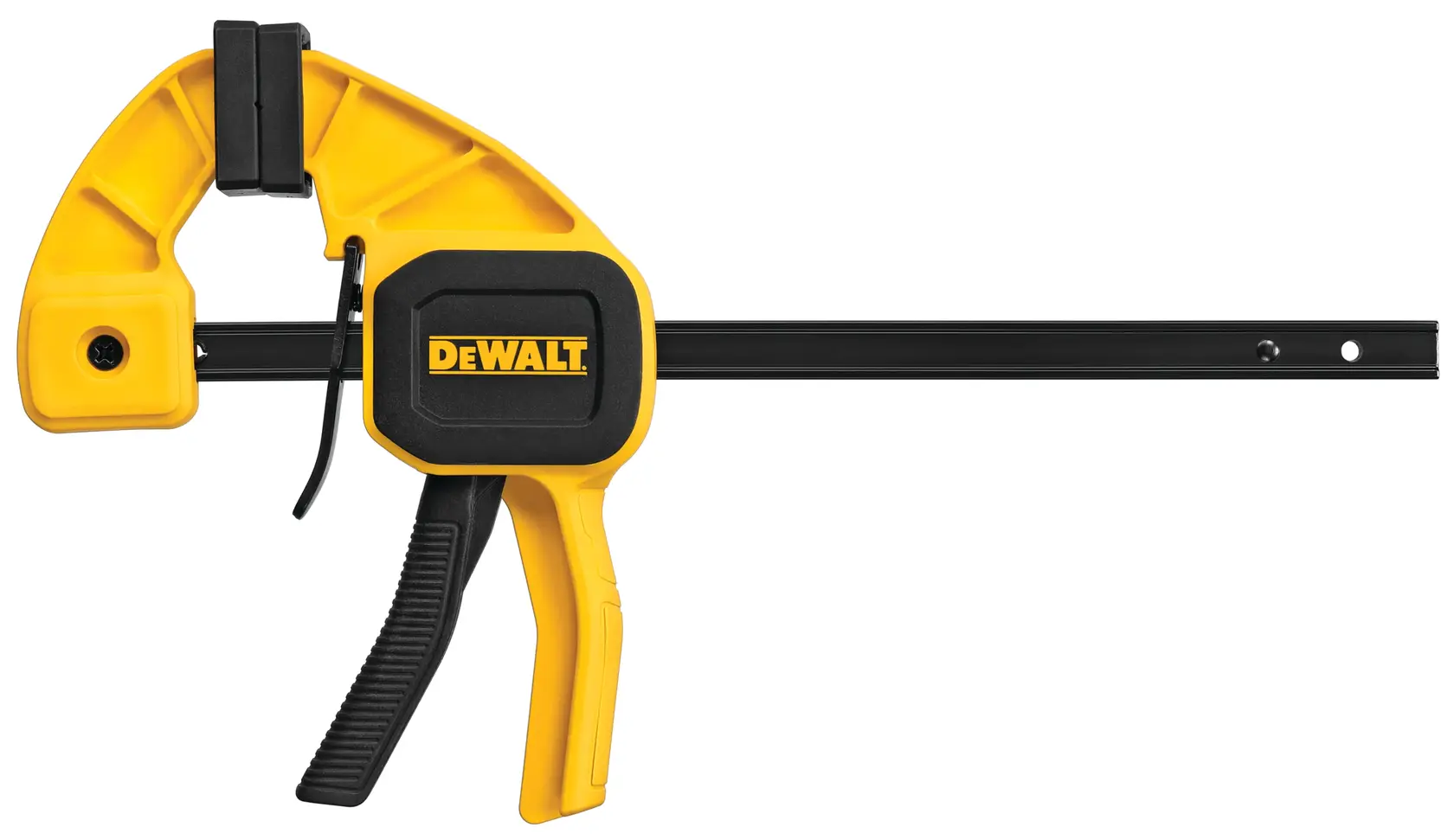
Jaw opening and throat depth solve different problems. Here is what to measure before choosing a six- or twelve-inch clamp.
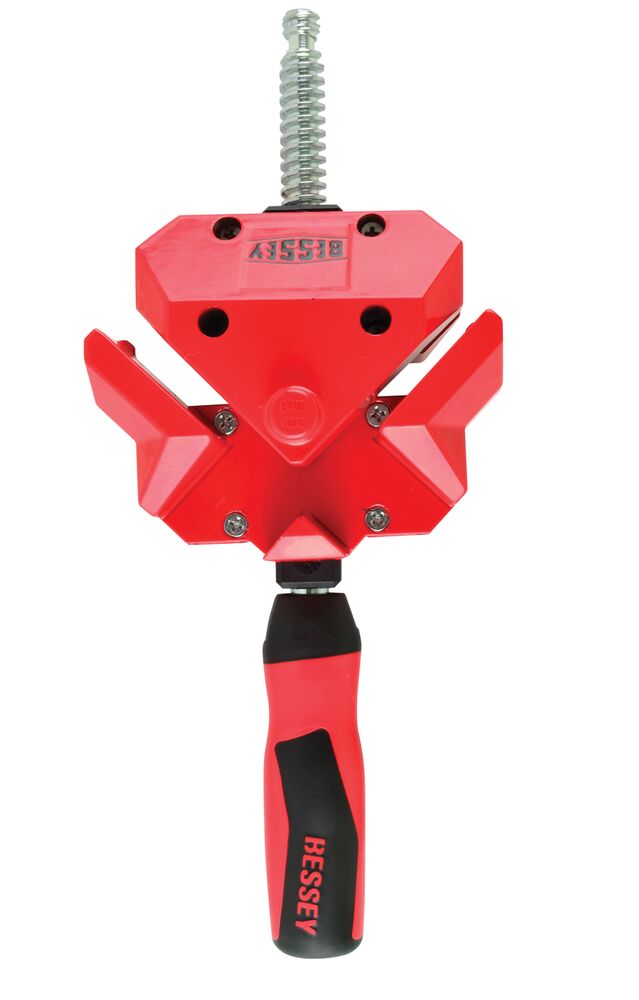
Trigger clamps, a face clamp and an angle clamp solve different parts of a small assembly. Start with the joint you need to hold.
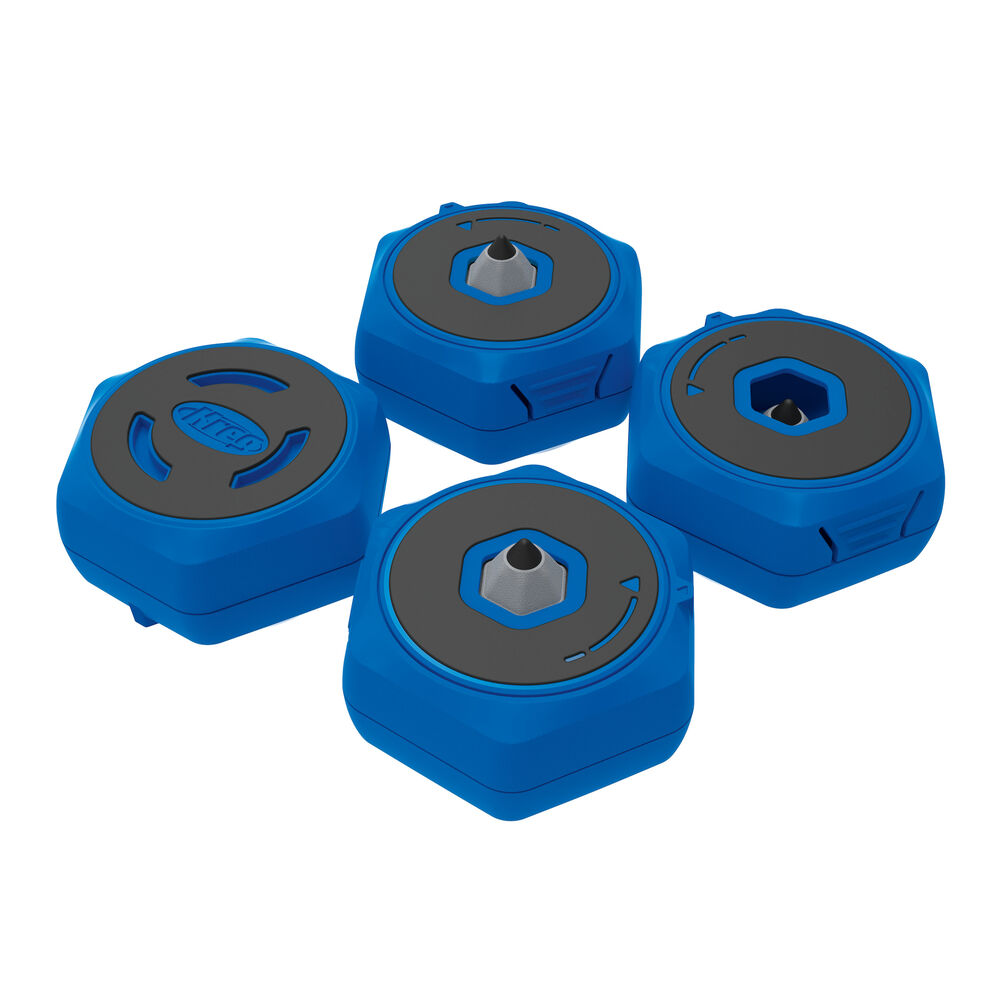
A set of bench blocks can make room under a panel, but it does a different job from a positive clamp.
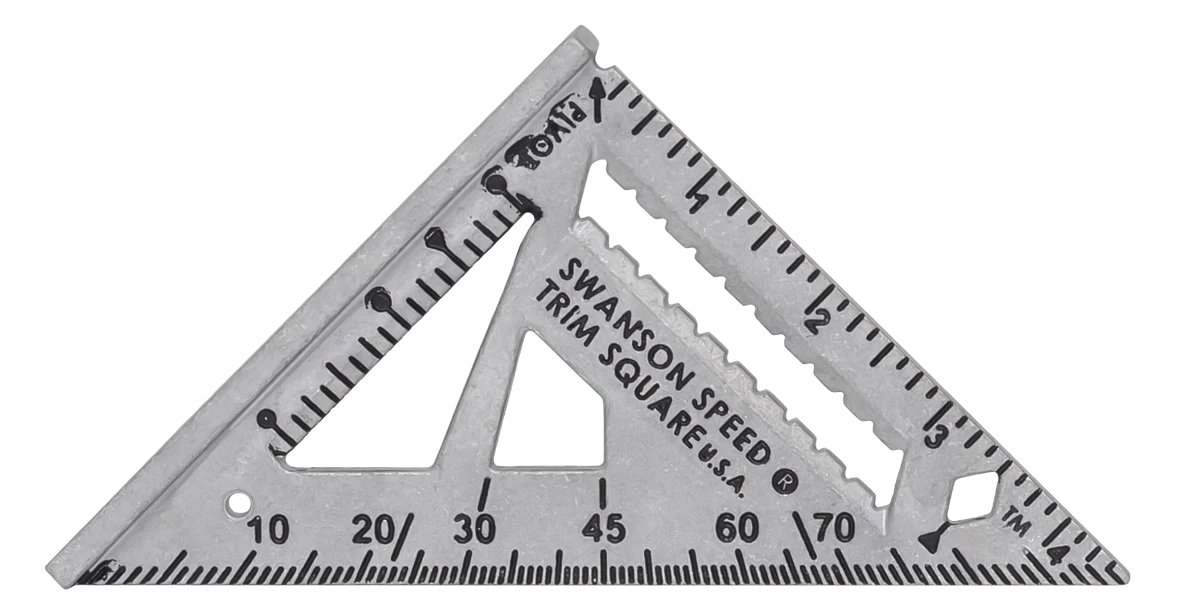
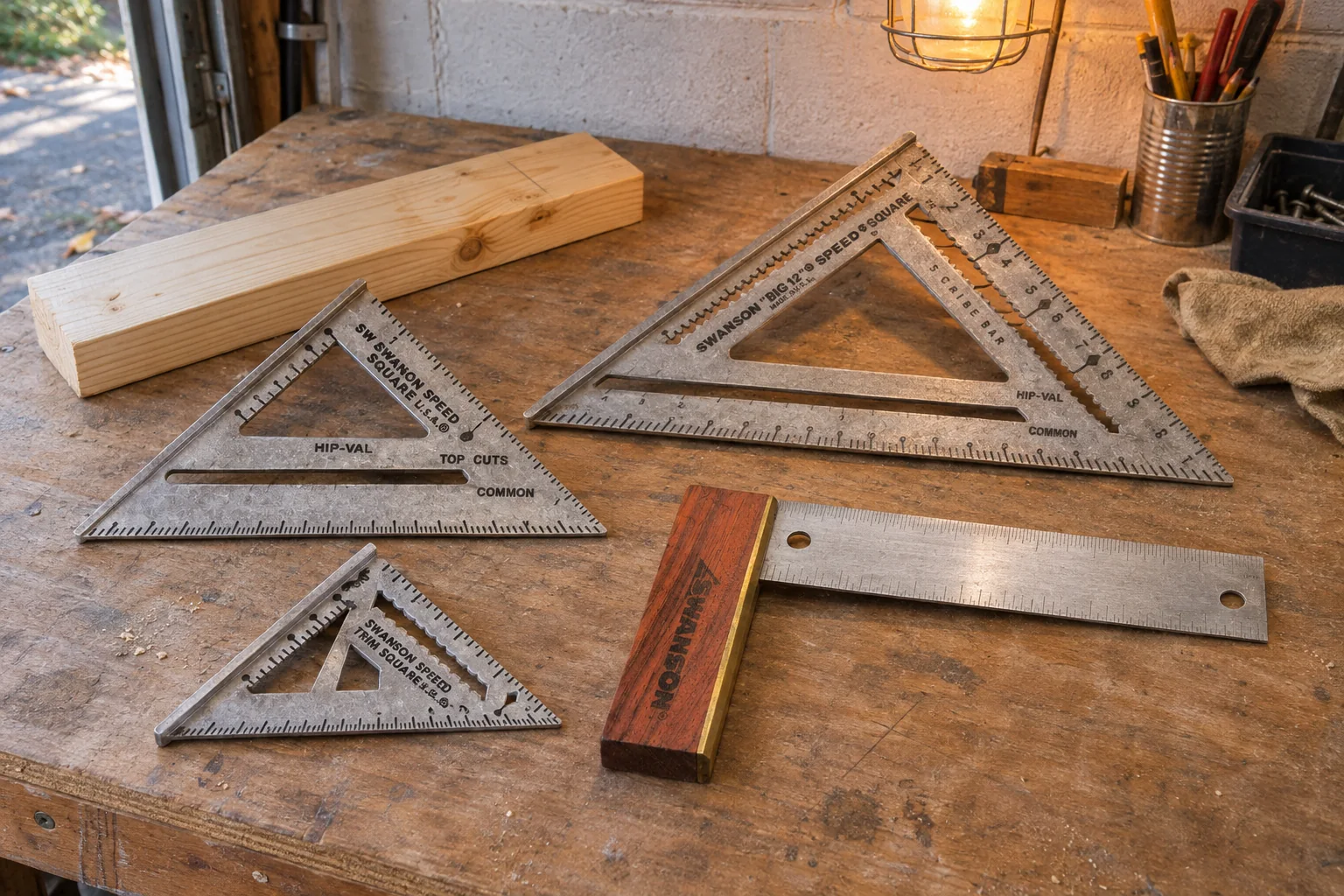
Compare Swanson’s 4½-, 7- and 12-inch squares by the work they can span and the space they take up.
The shorter blade is useful in tight spaces; the longer blade spans more work. A repeatable offset matters more than collecting both immediately.
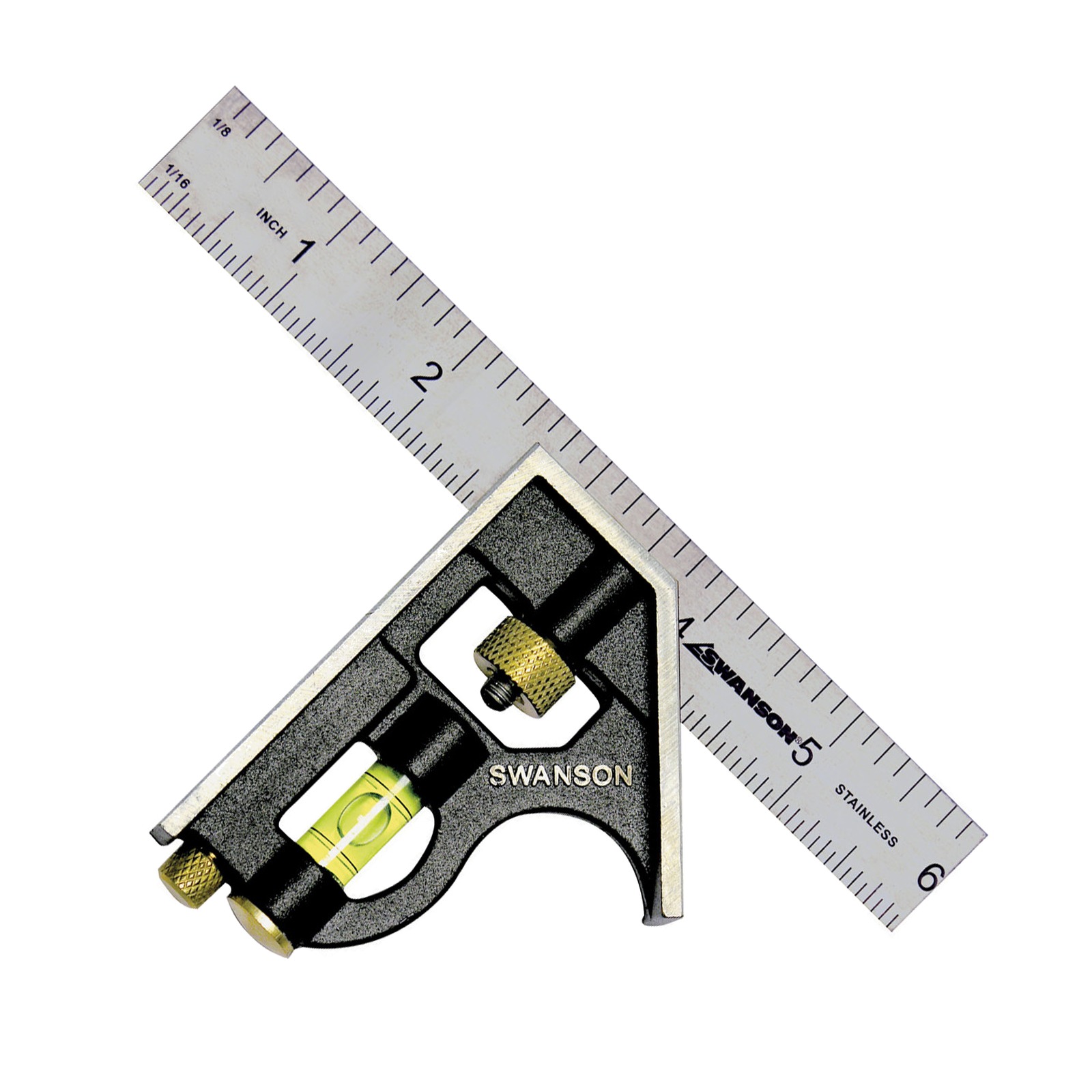
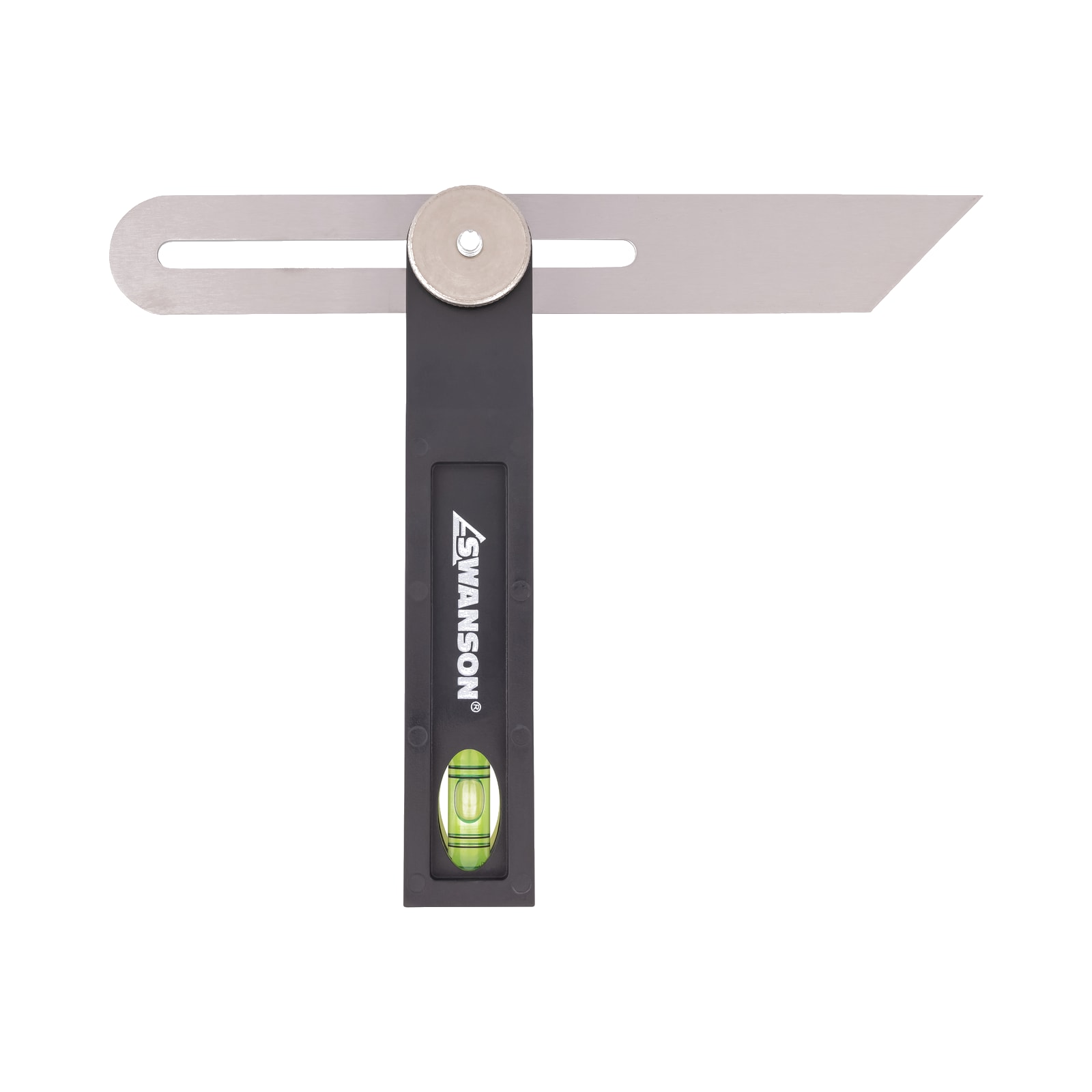
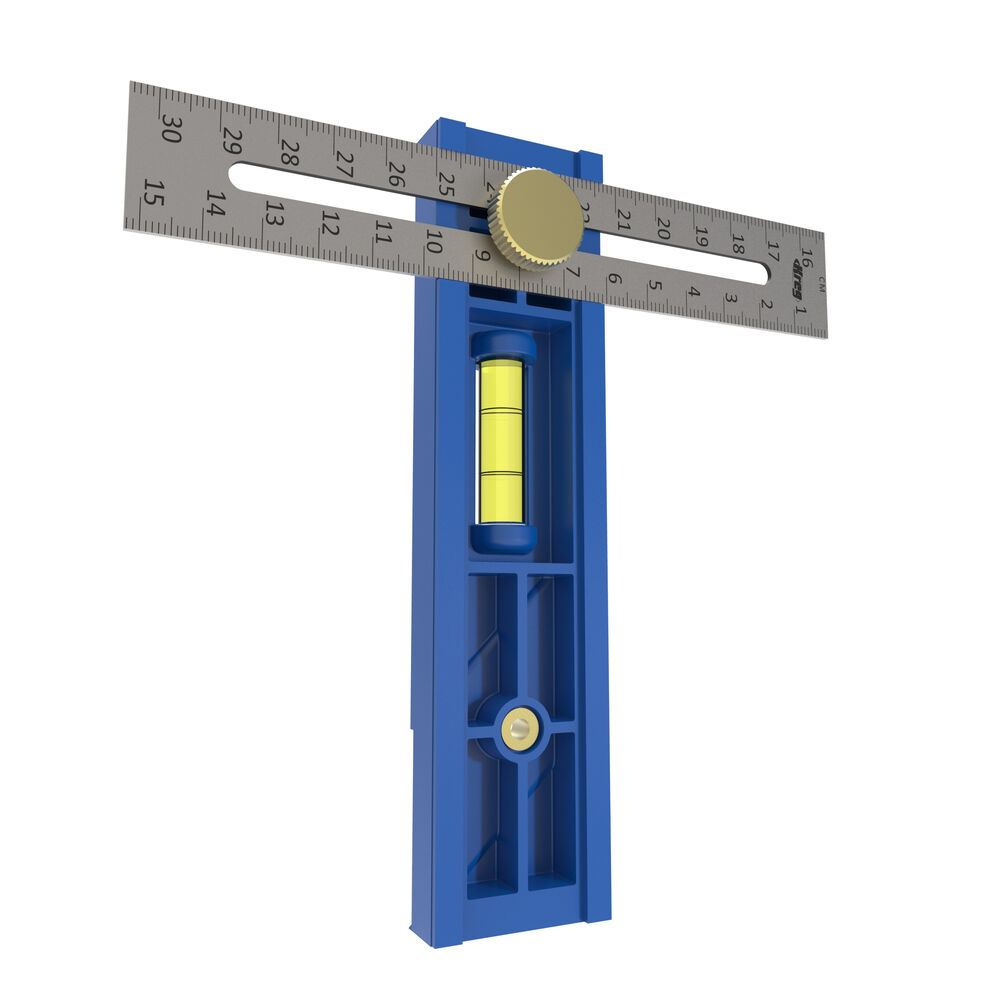
Fixed squares, sliding combination heads and a T-bevel each solve a different layout problem.
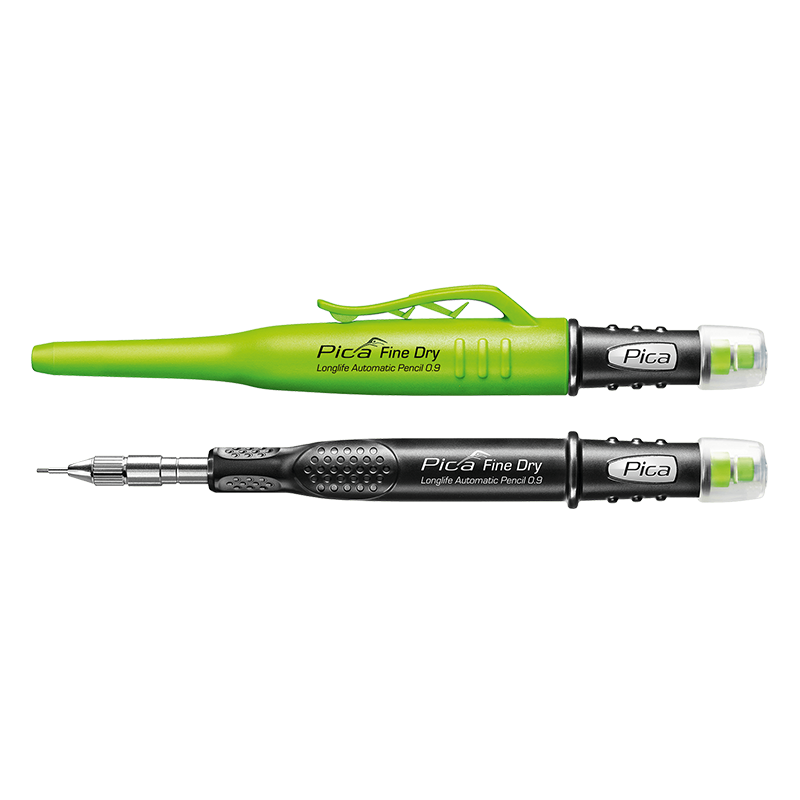
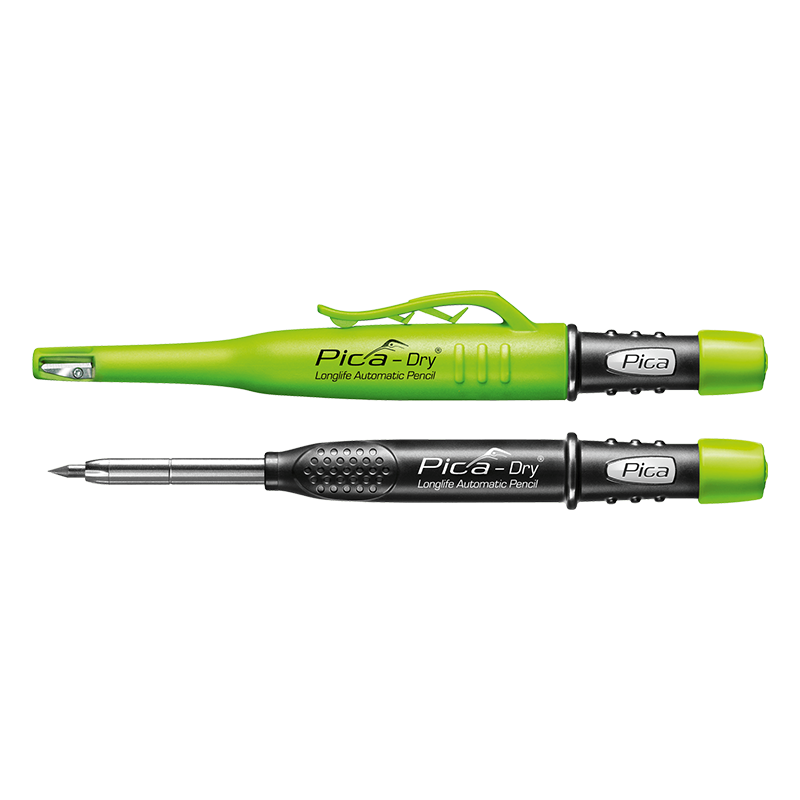
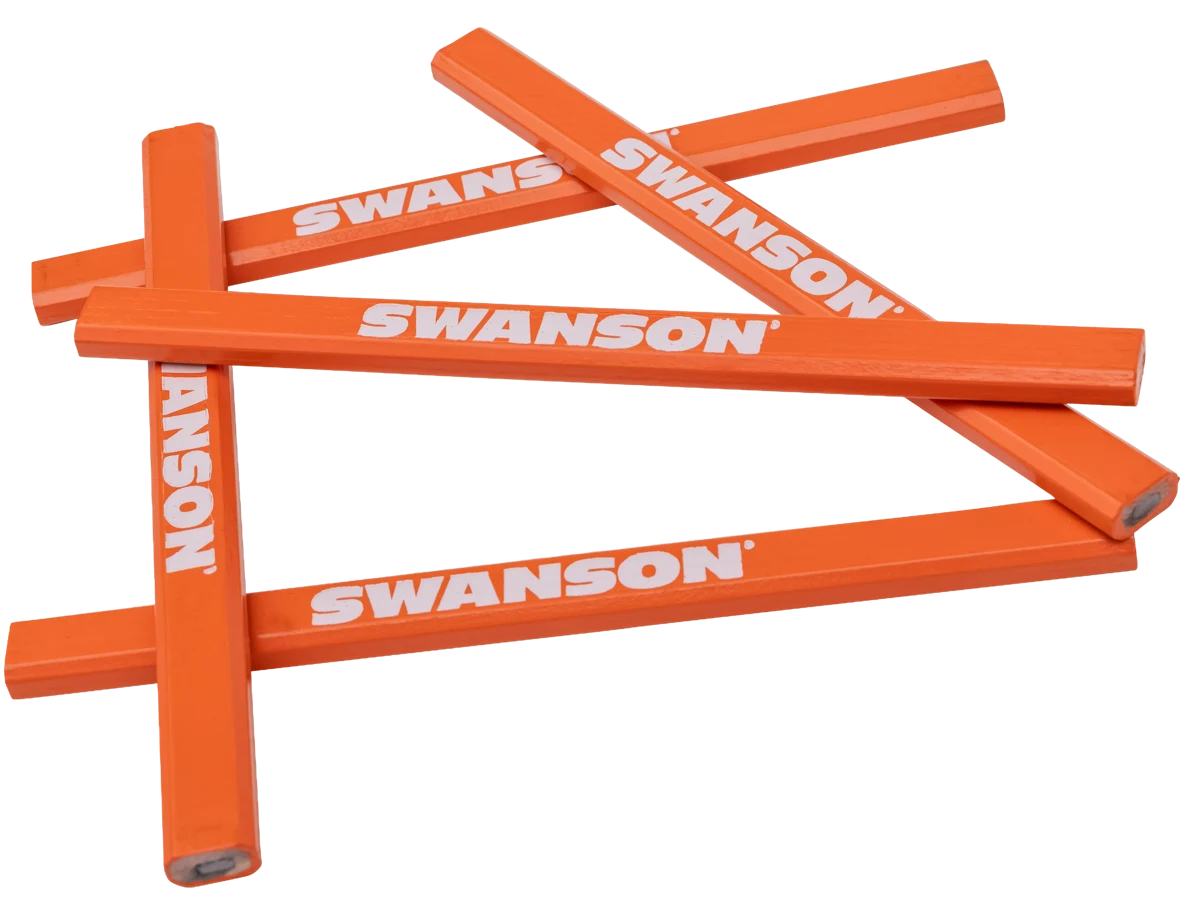
Wooden carpenter pencils, replaceable tips and two lead sizes: choose for the surface and the kind of mark.
Pica Dry, Fine Dry and Swanson AlwaysSharp use different refill systems. Keep the model name with the spare tips.
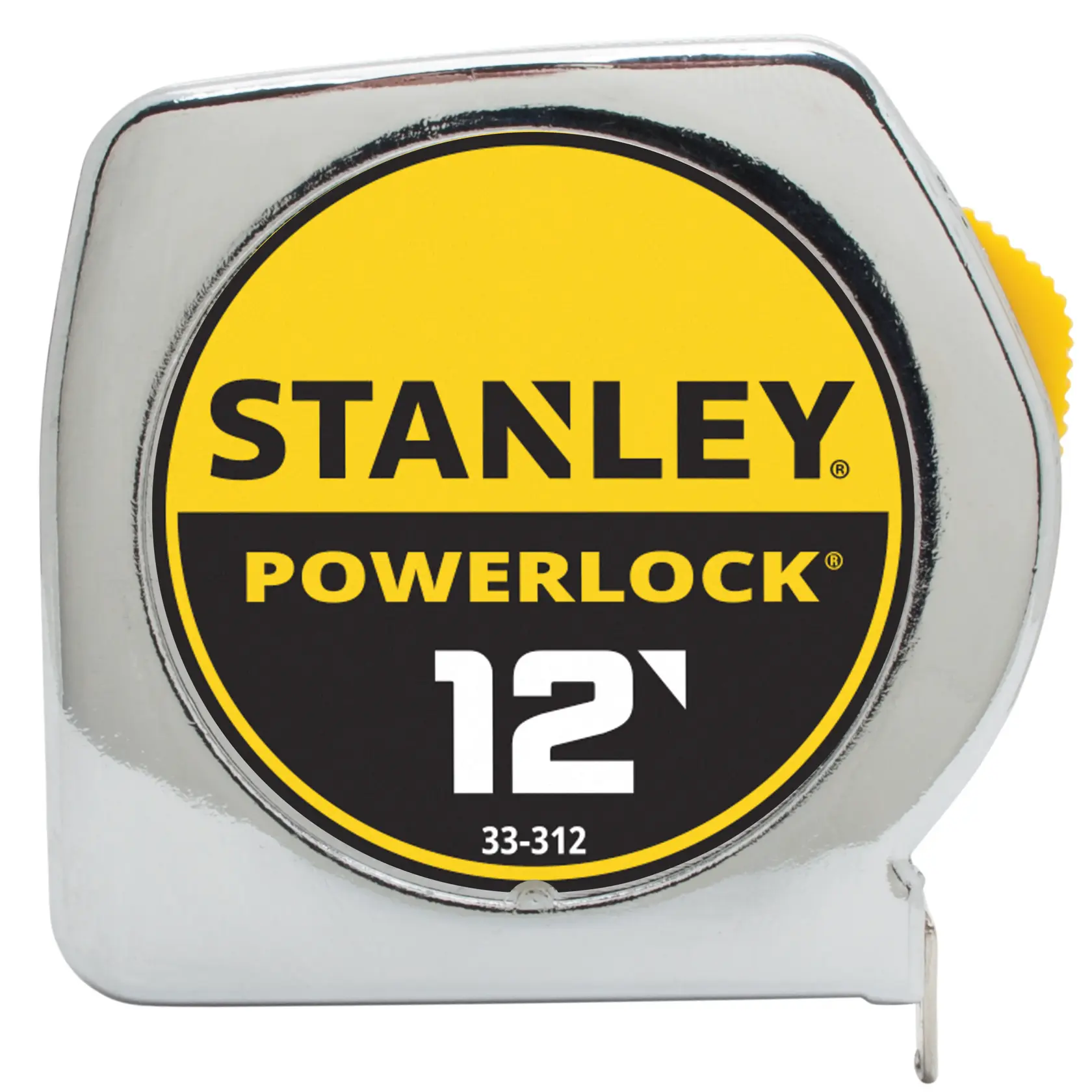
Compare 12-, 16- and 25-foot tapes by reach and readability, then keep a short rule for the small work.
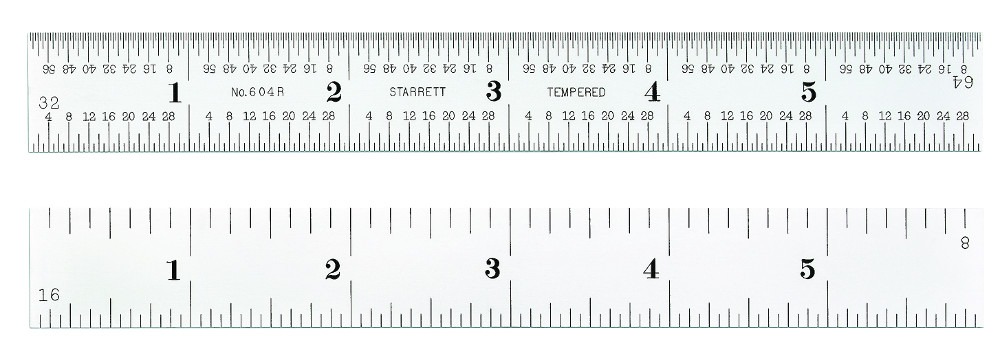
A practical way to read eighths, sixteenths, thirty-seconds and sixty-fourths without pretending every job needs the finest scale.
Cover the jobs first: a fixed reference, an adjustable offset, a readable measure and a suitable pencil.
Compare a small combination square, a longer rule and the Multi-Mark for carrying one offset across matching parts.