Project blocks vs. clamps
A set of bench blocks can make room under a panel, but it does a different job from a positive clamp.
Support underneath, pressure from the sides
Scroll sideways to compare.
| Compare | 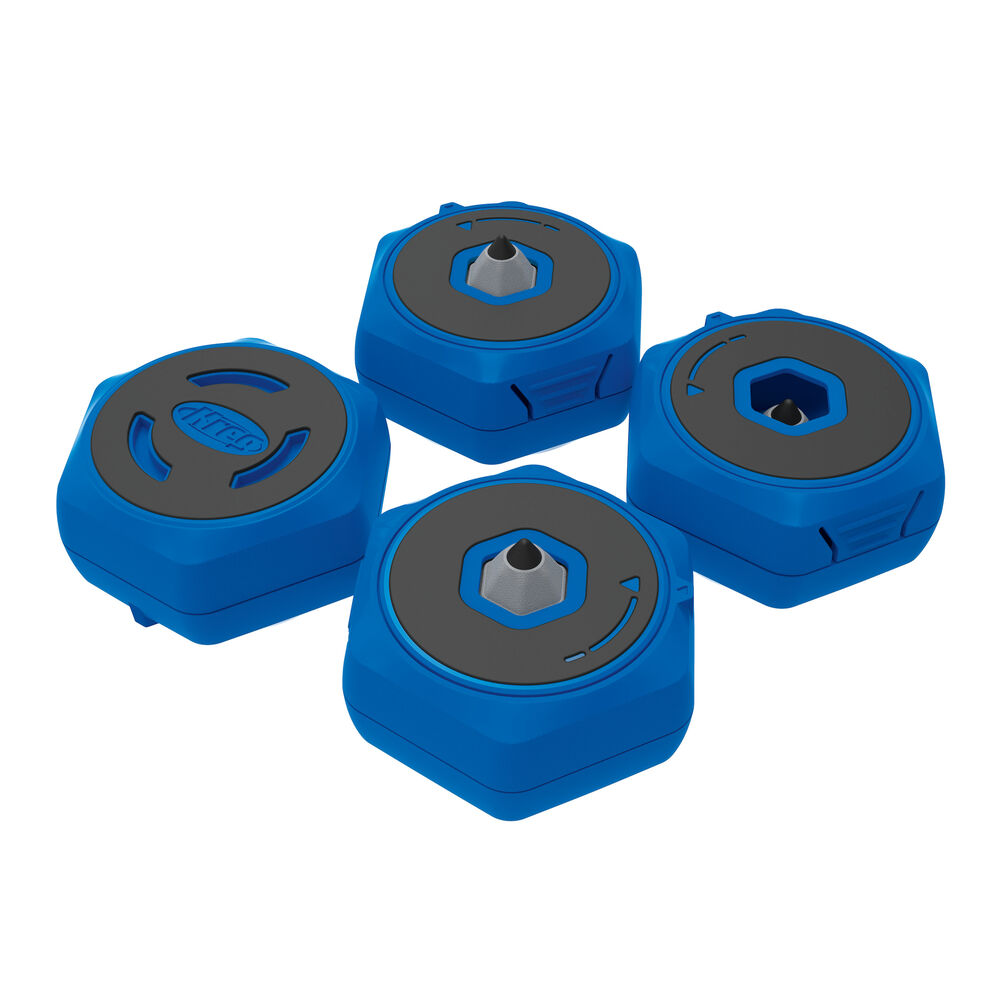 Kreg Multipurpose Project Blocks | 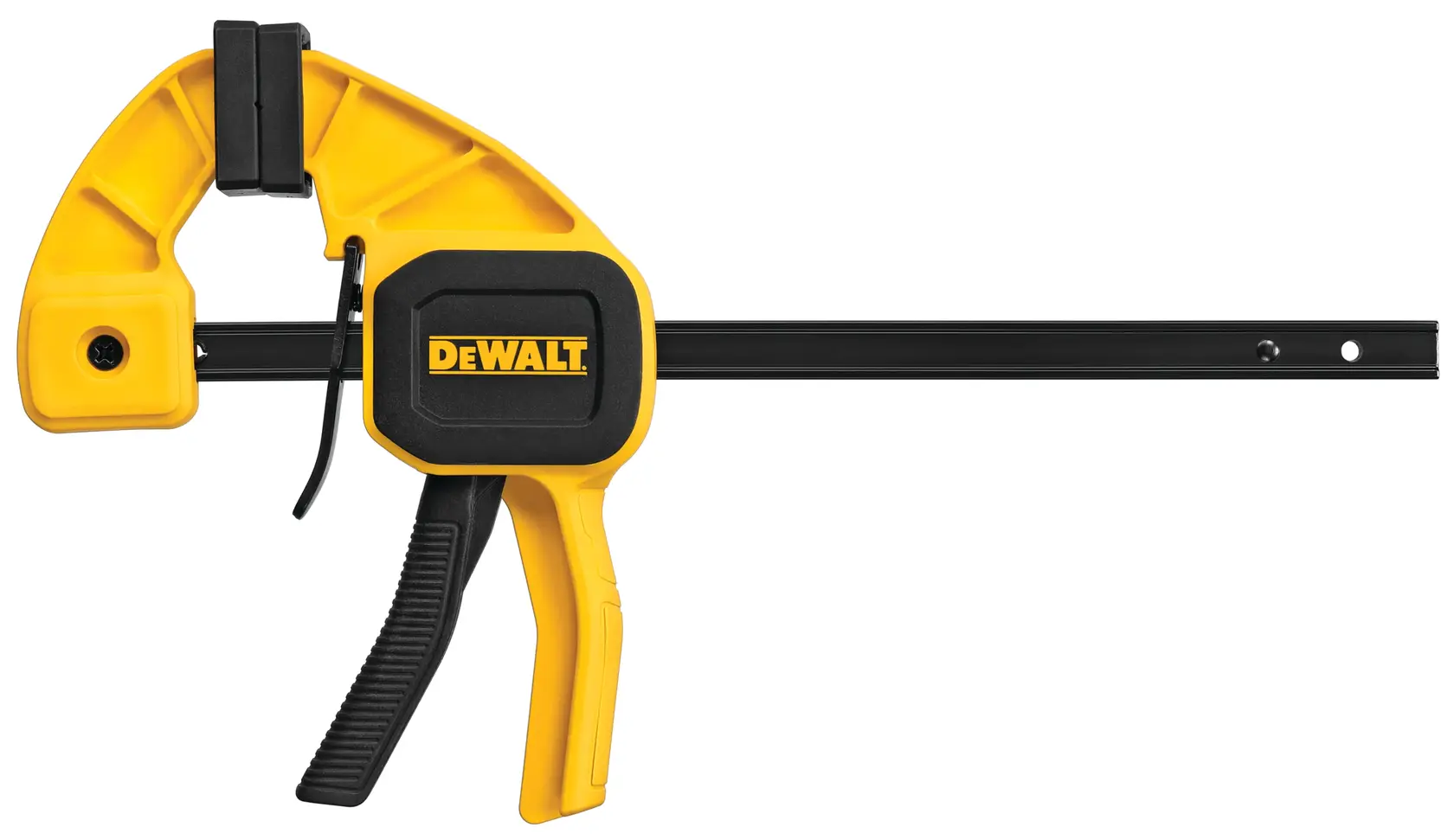 DEWALT 6-inch Medium Trigger Clamp | 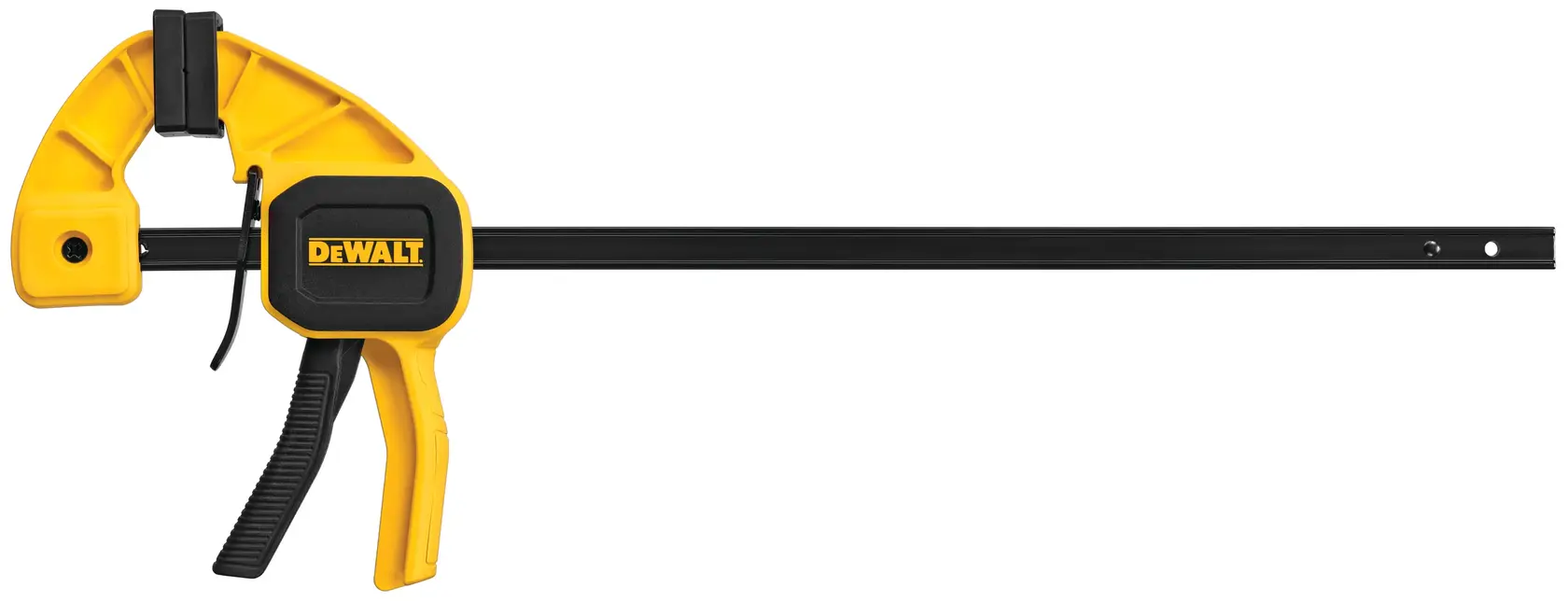 DEWALT 12-inch Medium Trigger Clamp | 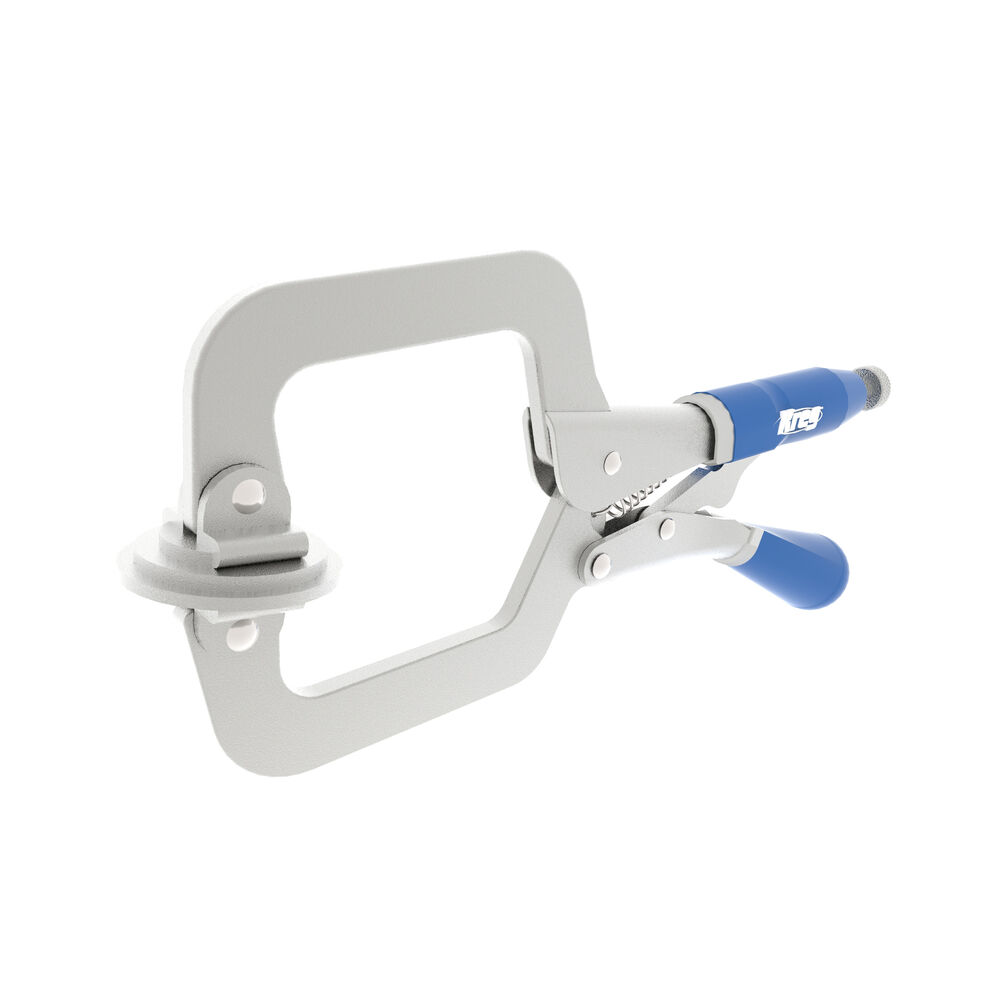 Kreg Classic 3-inch Face Clamp |
|---|---|---|---|---|
| Function | Elevates a workpiece | Positive clamping | Positive clamping | Face alignment |
| Useful measurement | 1½ in support height | 6 in opening | 12 in opening | 3 in reach |
| Check first | Four-block set rated collectively 200 lb | Pad position and handle clearance | Bar room beyond the work | 2¾ in material limit |
Separate clearance underneath from holding still
Write down what the workpiece must resist during the next operation. If it only needs space beneath it, supports may address that. If the work can move under the force you apply, height alone does not answer the holding question.
Project blocks also change the space available for a lower clamp jaw. Check the complete stack before choosing the clamp opening. Keep the finishing-point mode separate from ordinary support, and read the set’s capacity as the manufacturer states it.
- Count supports as part of the setup height.
- Check lower-jaw access before loading the work.
- Treat the 200-pound figure as collective for the four-block set.
Why a little space underneath helps
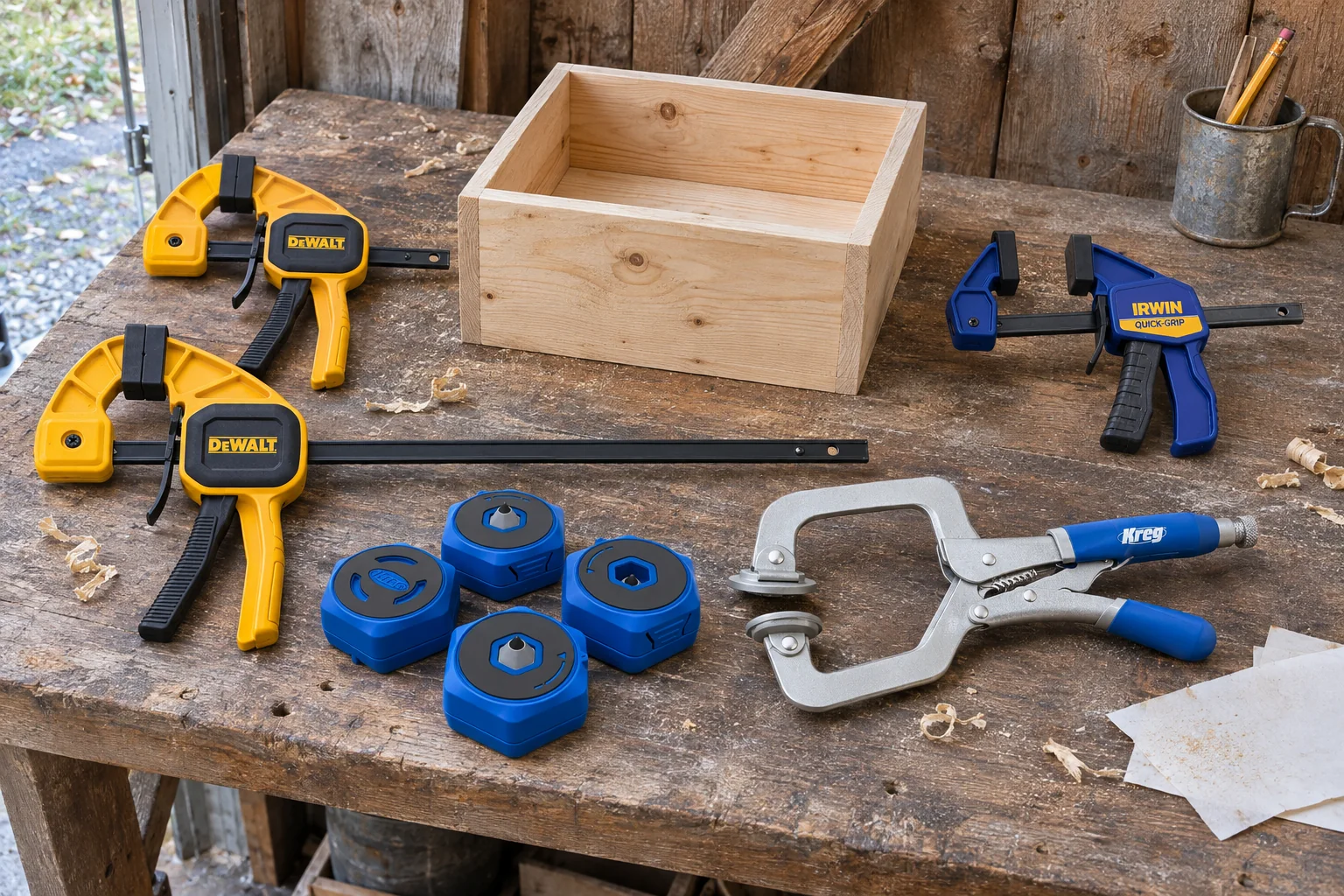
A flat panel sitting directly on a tabletop leaves nowhere for the lower jaw of a clamp to go. Raising it slightly can solve that very ordinary problem. Kreg’s project blocks lift the work by 1½ inches and have gripping surfaces on both faces. Their small footprint can also keep the underside clear while a finish dries.
That does not make a supported panel immovable. Friction depends on the surface, dust, load and direction of force. If the task requires the work to stay fixed, use an appropriate positive hold; do not count a grippy pad as a clamp.
Read the load rating as a set
Kreg lists a 200-pound capacity for the set of four blocks. It is not a 200-pound rating for each individual puck. Arrange the supports so the panel is stable and the load is shared. The outline of the work matters too: a long overhang can tip even when the total weight is modest.
Try a gentle hand check before work begins. If the panel rocks, change the support positions or use a more suitable supporting surface. Tightening a clamp over an unstable support arrangement can make the assembly move in unexpected ways.
Make room for the lower jaw
The 1½-inch lift is the available gap, not a guarantee that every clamp head fits underneath. Inspect the lower pad, its metal backing and the route the clamp must take into position. A clamp may fit once in place but be impossible to slide in from the edge.
Likewise, a twelve-inch bar does not help if the handle hits the tabletop. The DEWALT six- and twelve-inch medium models differ in opening, while their listed throat depth stays the same. Check the actual obstruction before reaching for the longer one.
Painting points are another mode
The blocks include retractable points that reduce the contact area beneath a finishing project. Extend or retract them deliberately before setting down the work. A point is not the same support surface as the broad grip pad.
Keep finishing supports clean and separate from glue-covered packing scraps. An old blob under a fresh face can leave a mark that has nothing to do with the tool’s nominal capacity. The simplest improvement is often five minutes spent cleaning the supports you already own.
Sources
- Kreg Multipurpose Project Blocks (KFS-PUCK)Checked November 15, 2026
- DEWALT 6-inch Medium Trigger Clamp (DWHT83139)Checked November 15, 2026
- DEWALT 12-inch Medium Trigger Clamp (DWHT83140)Checked November 15, 2026
- Kreg Classic 3-inch Face Clamp (KHC-PREMIUM)Checked November 15, 2026