
Measuring and marking tools for a small workbench
Cover the jobs first: a fixed reference, an adjustable offset, a readable measure and a suitable pencil.
A job for each tool
Scroll sideways to compare.
| Compare | 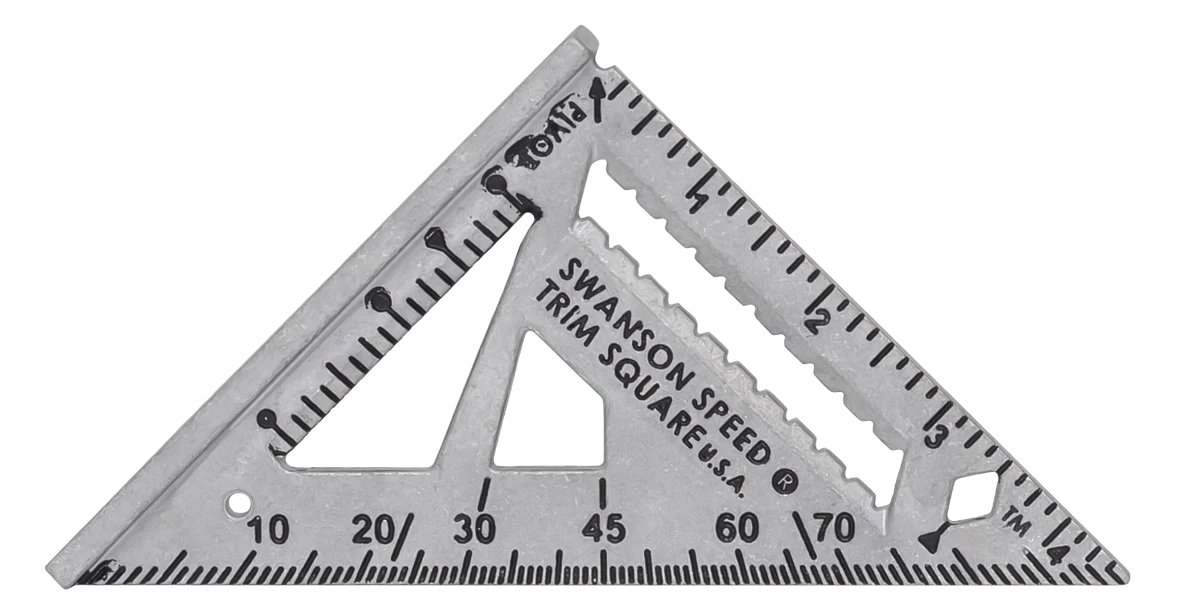 Swanson Trim Speed Square | 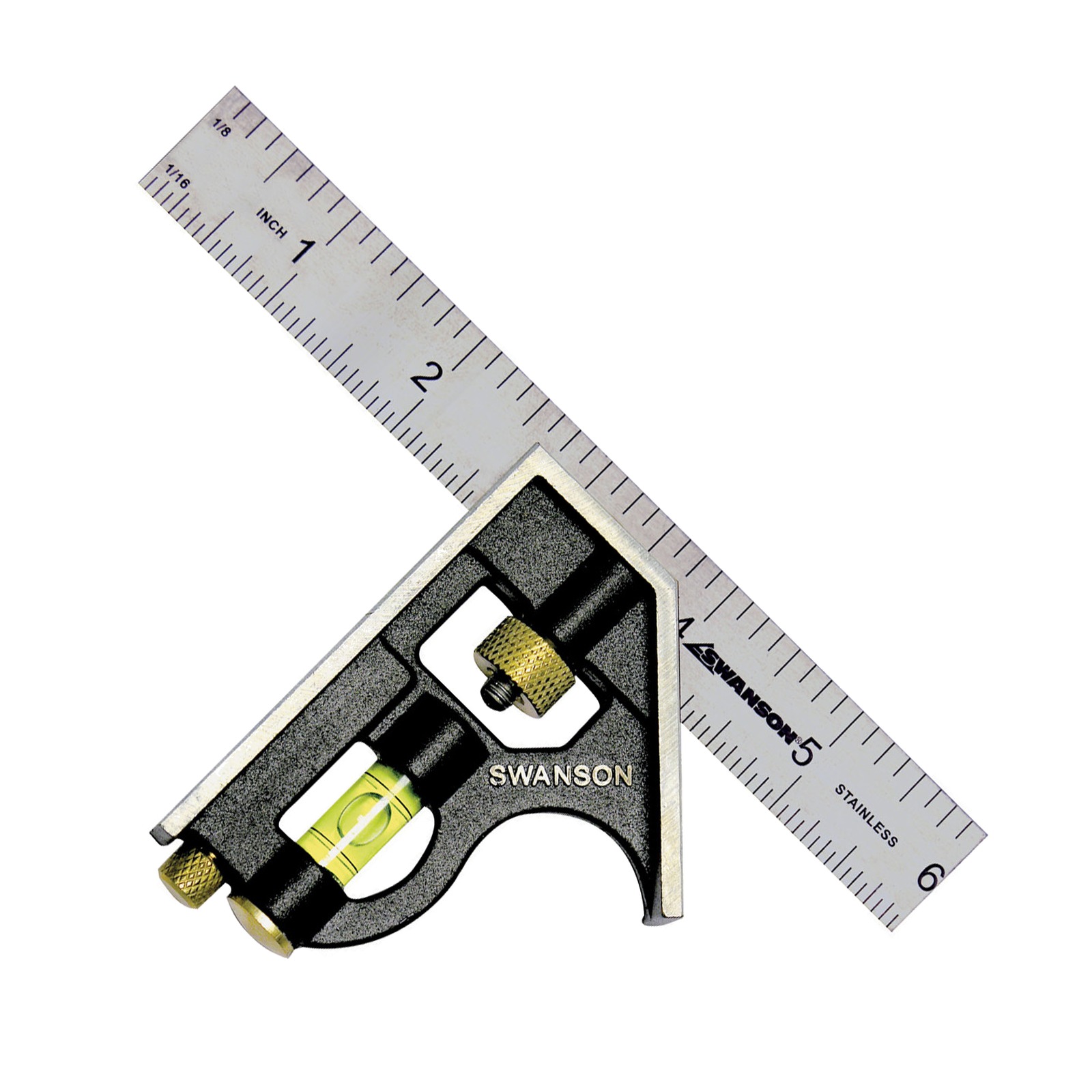 Swanson 6-inch Combination Square | 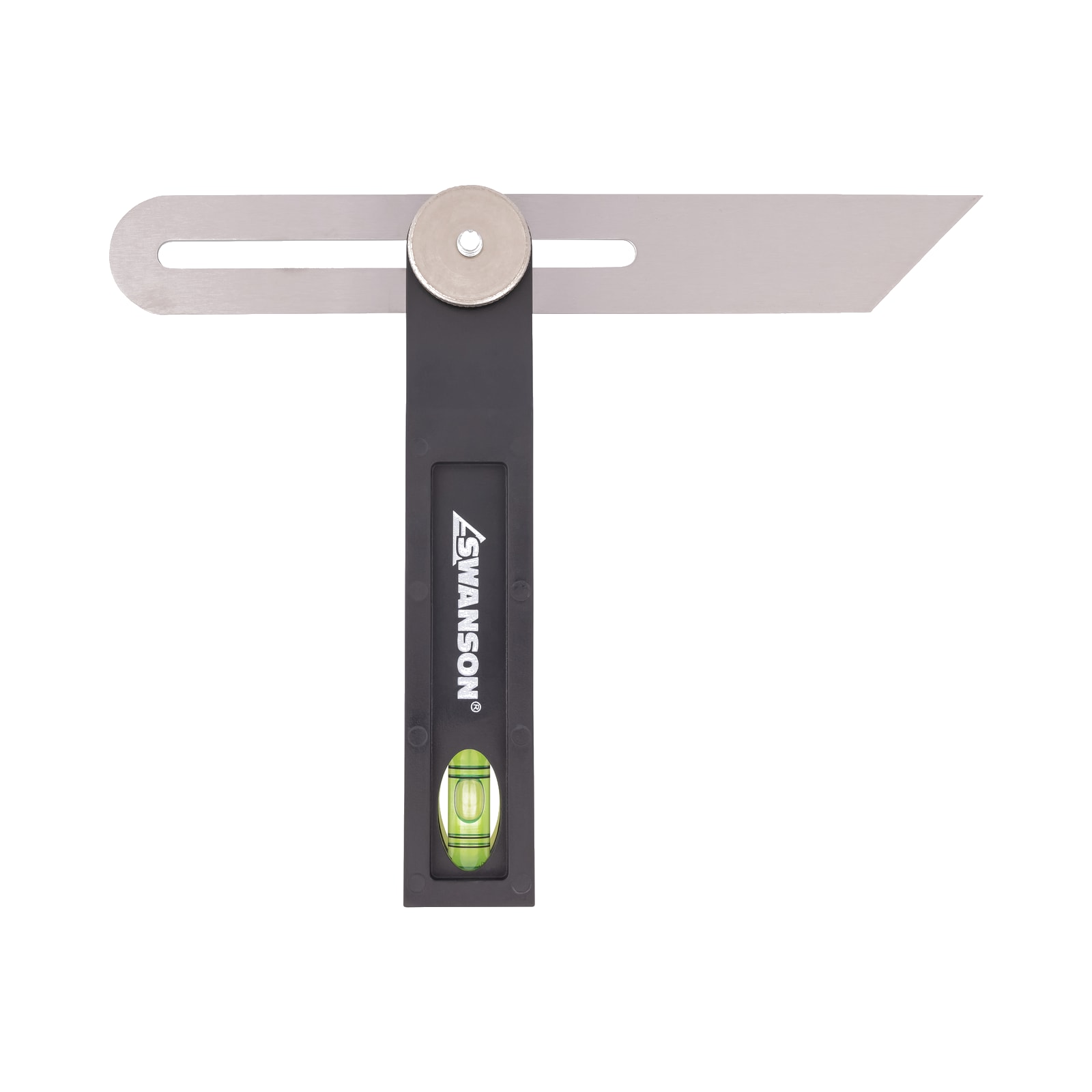 Swanson 8-inch Sliding T-Bevel | 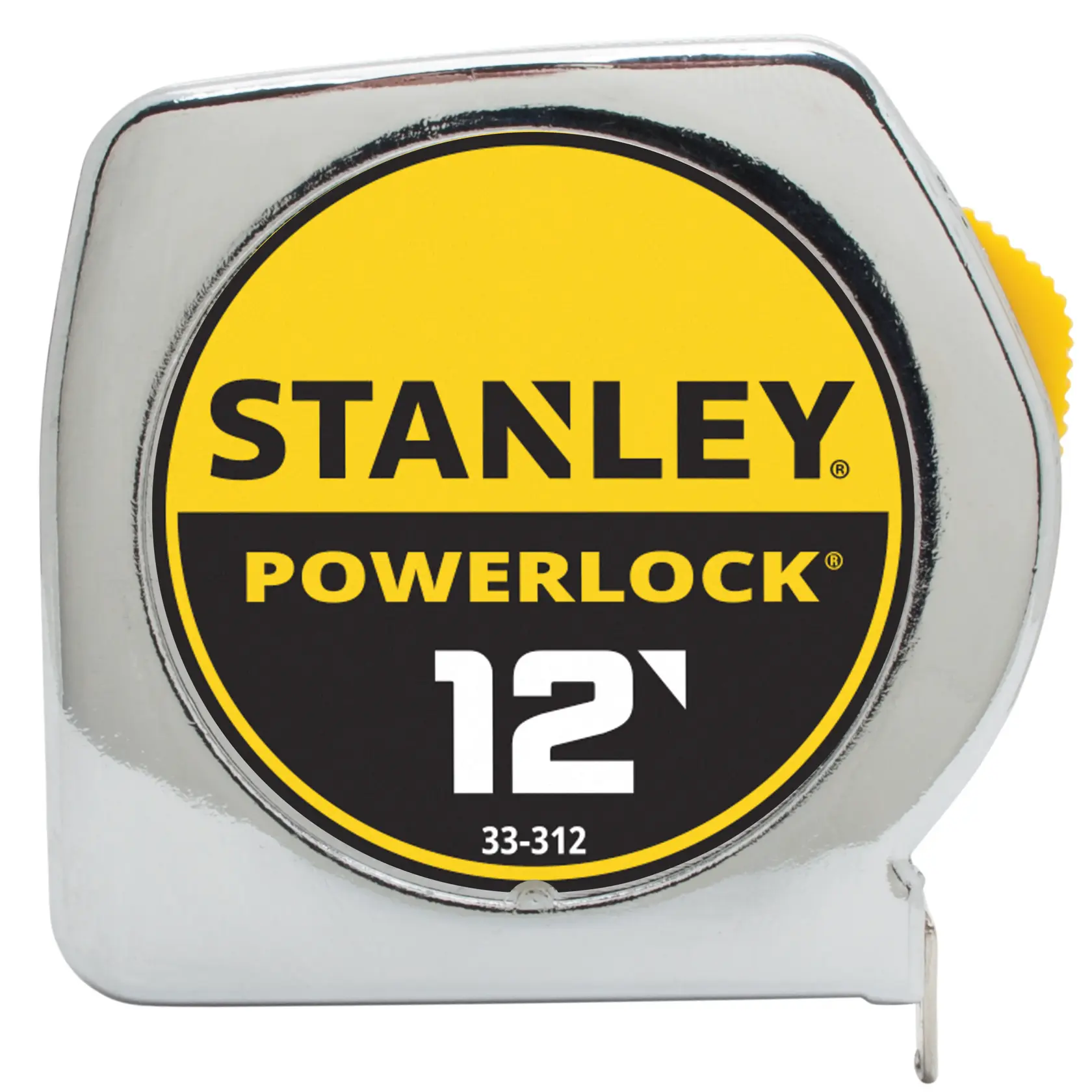 STANLEY PowerLock 12-foot tape | 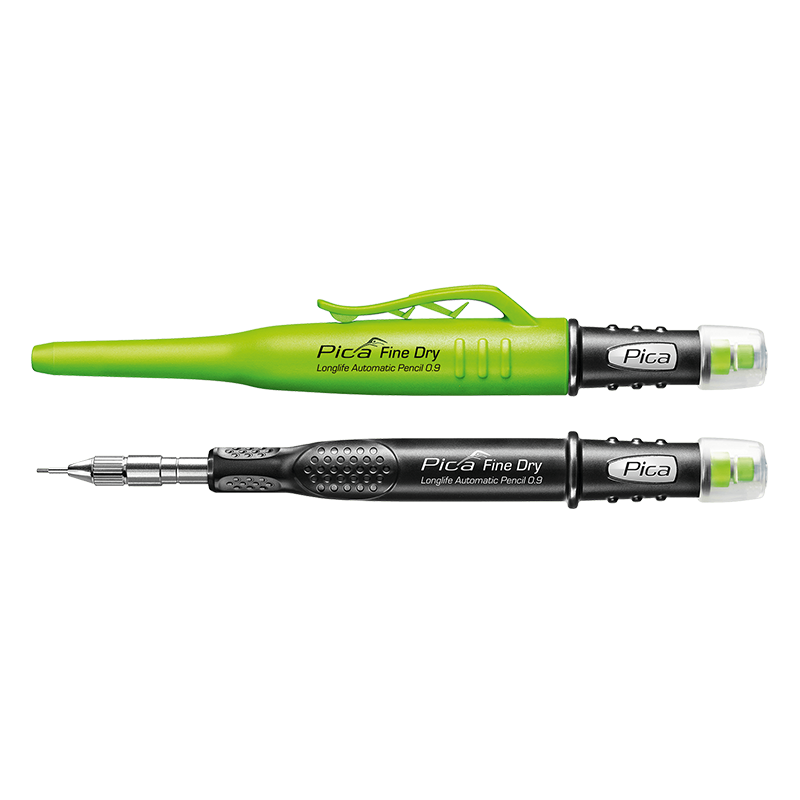 Pica Fine Dry | 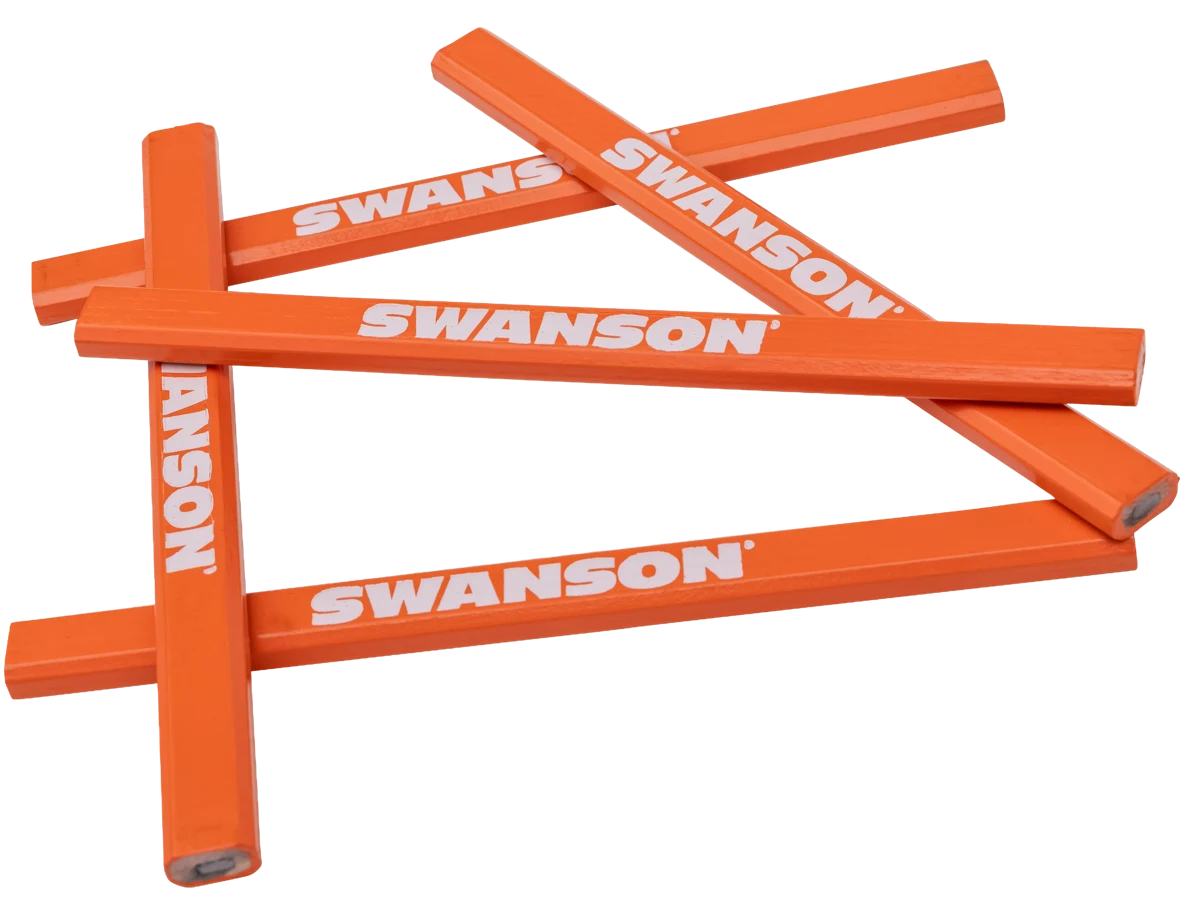 Swanson carpenter pencils |
|---|---|---|---|---|---|---|
| Tool | Trim square | Combination square | Sliding bevel | 12 ft tape | 0.9 mm pencil | Wood pencils |
| Job it adds | Compact fixed 90° / 45° reference | Repeatable short offsets | Copies an existing angle | Longer linear measurements | Fine marking | Simple general marking |
| Wait if… | A larger square already fits your work | You rarely transfer set distances | All current work uses fixed angles | Your existing tape is readable and sound | A sharpened pencil already suits the surface | The drawer is already full |
Buy for an operation the kit cannot yet do
Write the next few operations as verbs: measure a length, mark a right angle, repeat an offset, copy an existing angle. Put the tool you already own beside each one. The gap in that list is a better shopping prompt than a row of empty places in a tool organizer.
A second size can be worthwhile when the current tool cannot reach or fit the work. A different tool type can be worthwhile when the operation changes. Keep those reasons explicit so a small kit grows around actual jobs rather than near-duplicate features.
- Start with a fixed reference and a readable measure.
- Add an adjustable reference for repeated offsets.
- Add the sliding bevel when there is an angle to copy.
List the operations, not the tools
It is easy to buy three attractive squares and still lack a way to copy an odd angle. Start with the things the next project asks you to do: measure a length, mark a right angle, repeat an offset, copy an angle, or make a visible line. Each tool in a small kit should answer one of those needs.
Existing tools count. A reliable tape and a sharp pencil do not become unsuitable when you start a new hobby. Spend first on the function that is actually missing, then learn whether the inconvenience repeats enough to justify another tool.
One fixed reference and one adjustable one
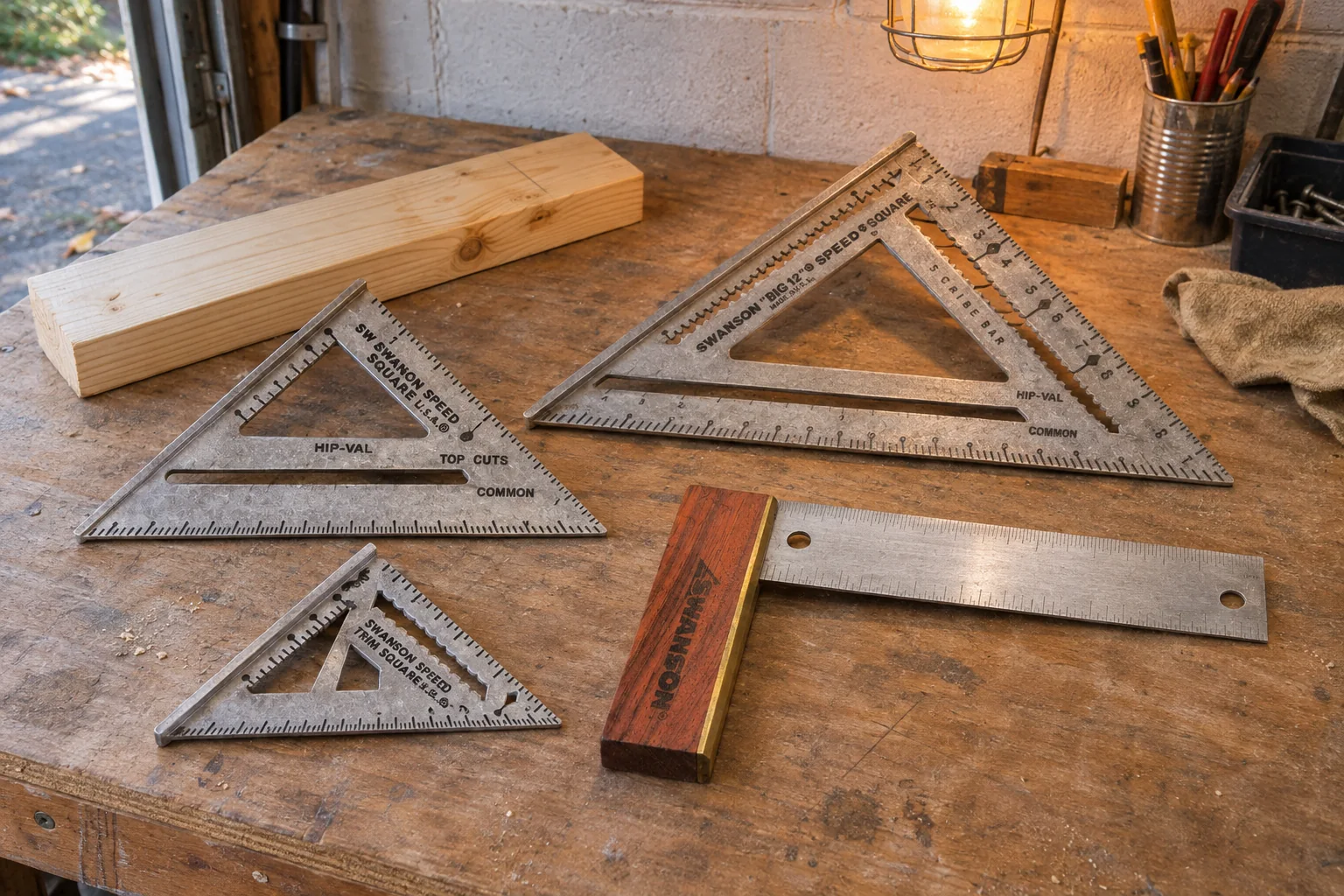
The trim square is a compact fixed reference for narrow work. A small combination square adds a movable rule and the ability to carry a short offset. There is overlap, but their setups are different enough to be useful when both operations recur.
You do not have to buy both at once. If most work is repeated offsets, start with the combination square. If it is quick right-angle lines across narrow stock, the fixed square is simpler to pick up and use.
Add the bevel only when an angle needs copying
The sliding bevel earns its place when an existing corner or part sets the angle. It does not need to tell you the angle in degrees to preserve the relationship. For a project made entirely from square corners, it can remain on the future list.
Likewise, a fine mechanical pencil is useful when a thin, consistent mark matters, but it is not a universal replacement for a carpenter pencil. Choose the marking tool that leaves a clear, removable reference on the actual material.
Give the small tools a fixed home
Keep the measuring and marking tools together, away from loose hardware and wet adhesive. Protect rule edges from being buried under heavy clamps. Put the spare pencil tips with the correct pencil rather than in the general fastener drawer.
After a project, note which tool you repeatedly borrowed, improvised or wished was already set. That is a better shopping list than a generic starter kit. A small bench works best when every added object solves a recurring interruption.
Sources
- Swanson Trim Speed Square (S0145)Checked November 15, 2026
- Swanson 6-inch Combination Square (TC130)Checked November 15, 2026
- Swanson 8-inch Sliding T-Bevel (TS150)Checked November 15, 2026
- STANLEY PowerLock 12-foot tape (33-312)Checked November 15, 2026
- Pica Fine Dry (7070)Checked November 15, 2026
- Swanson carpenter pencils (CP700)Checked November 15, 2026