
Try square vs. combination square vs. sliding bevel
Fixed squares, sliding combination heads and a T-bevel each solve a different layout problem.
Which angle needs checking?
Scroll sideways to compare.
| Compare | 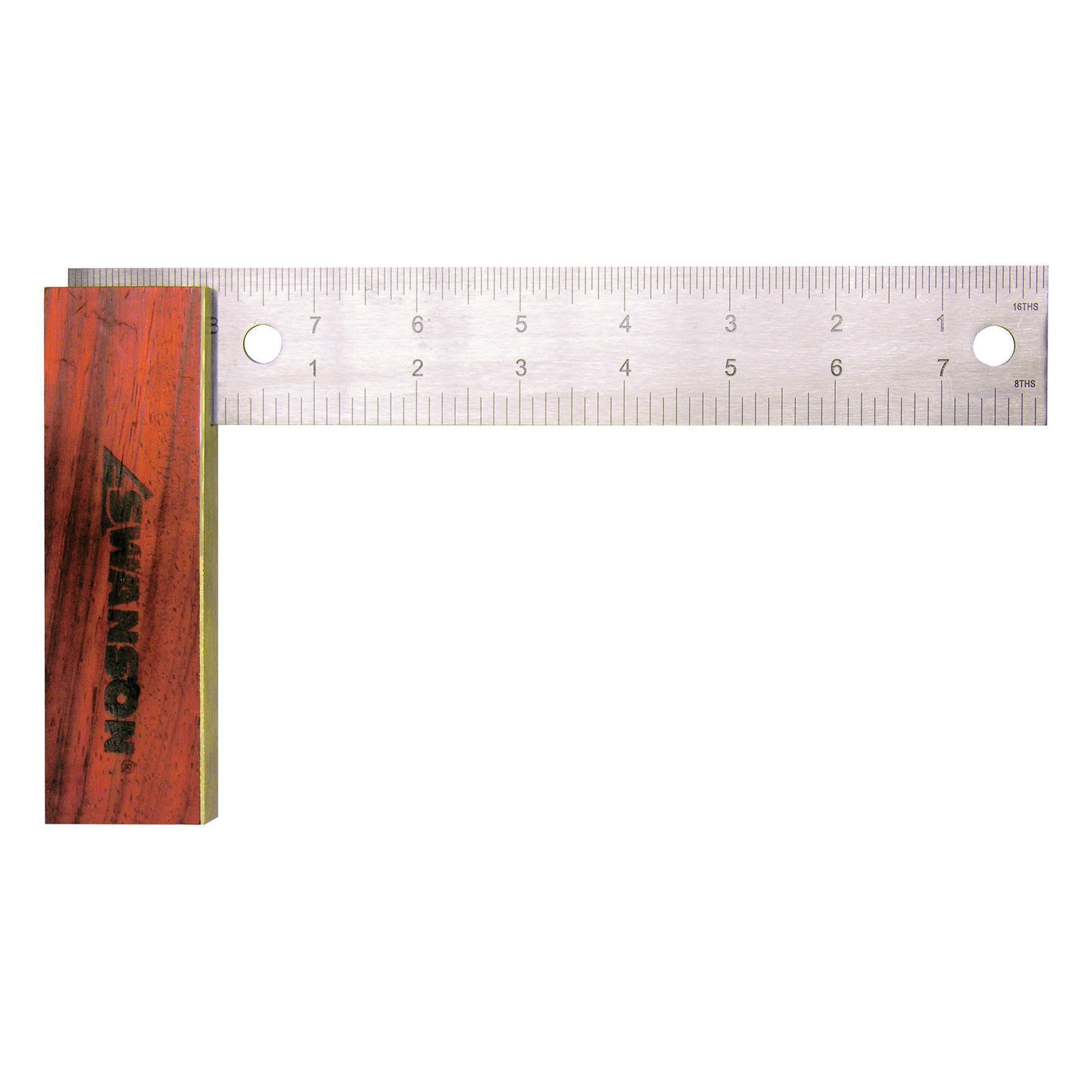 Swanson 8-inch Try Square | 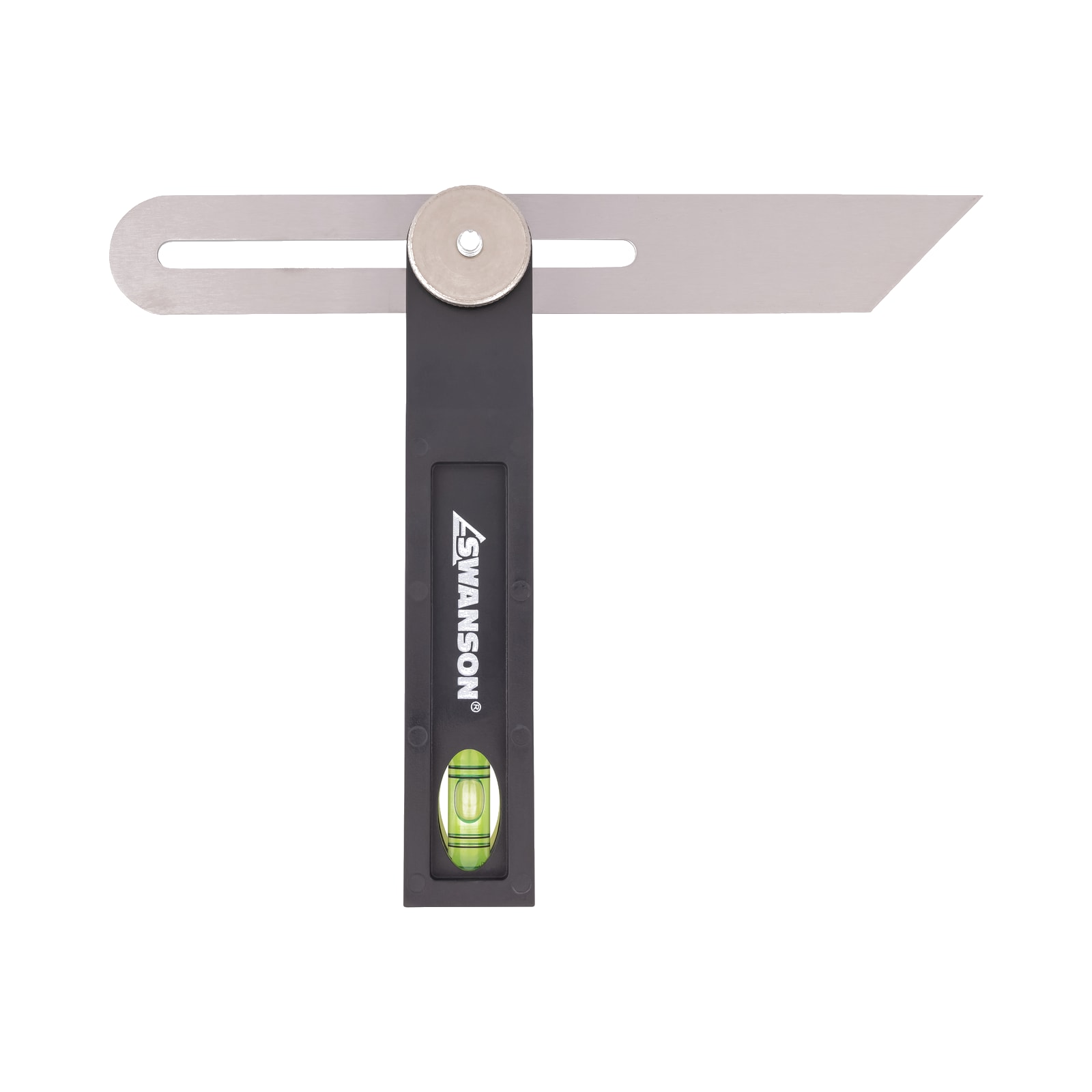 Swanson 8-inch Sliding T-Bevel | 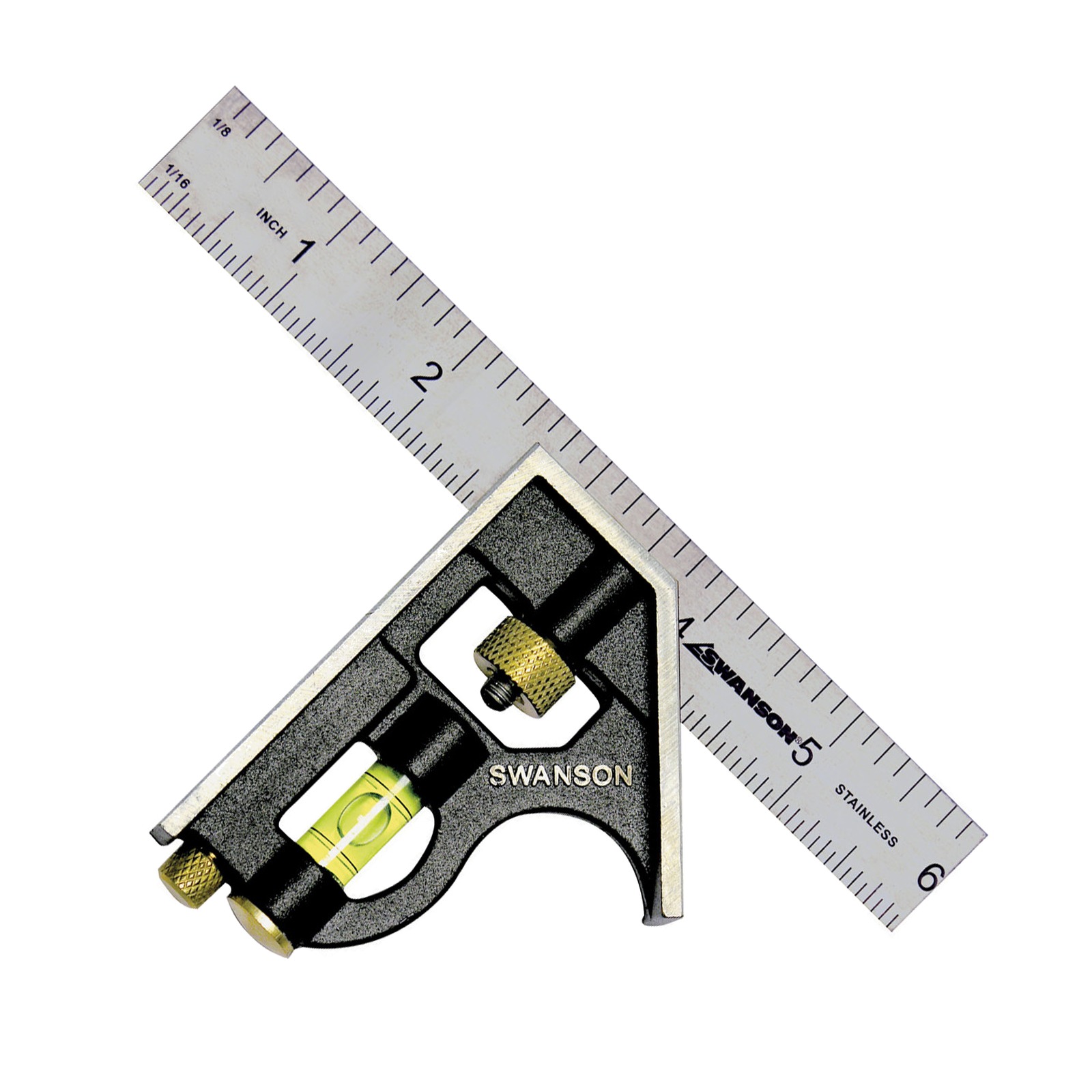 Swanson 6-inch Combination Square |
|---|---|---|---|
| Reference | 90° | An angle you set | 90° and 45° faces |
| Moves? | Fixed blade | Pivoting blade | Sliding rule |
| Useful job | Checking a right-angle relationship | Copying an existing angle | Right angles plus repeated offsets |
Choose between checking and copying
Ask whether the next task needs a known reference or an existing angle carried to another piece. A fixed square supplies the former; a sliding bevel preserves the latter. A combination square adds an adjustable rule setting for another group of tasks.
For a transferred angle, label the original face or edge and keep the orientation clear when moving the tool. For a fixed reference, check that the stock actually seats against the work. The right tool category does not correct a dirty edge or a reversed layout.
- Use a fixed square for a known right-angle reference.
- Use the bevel when the existing angle is the thing to copy.
- Mark the reference face before moving between pieces.
Start with the question the tool must answer
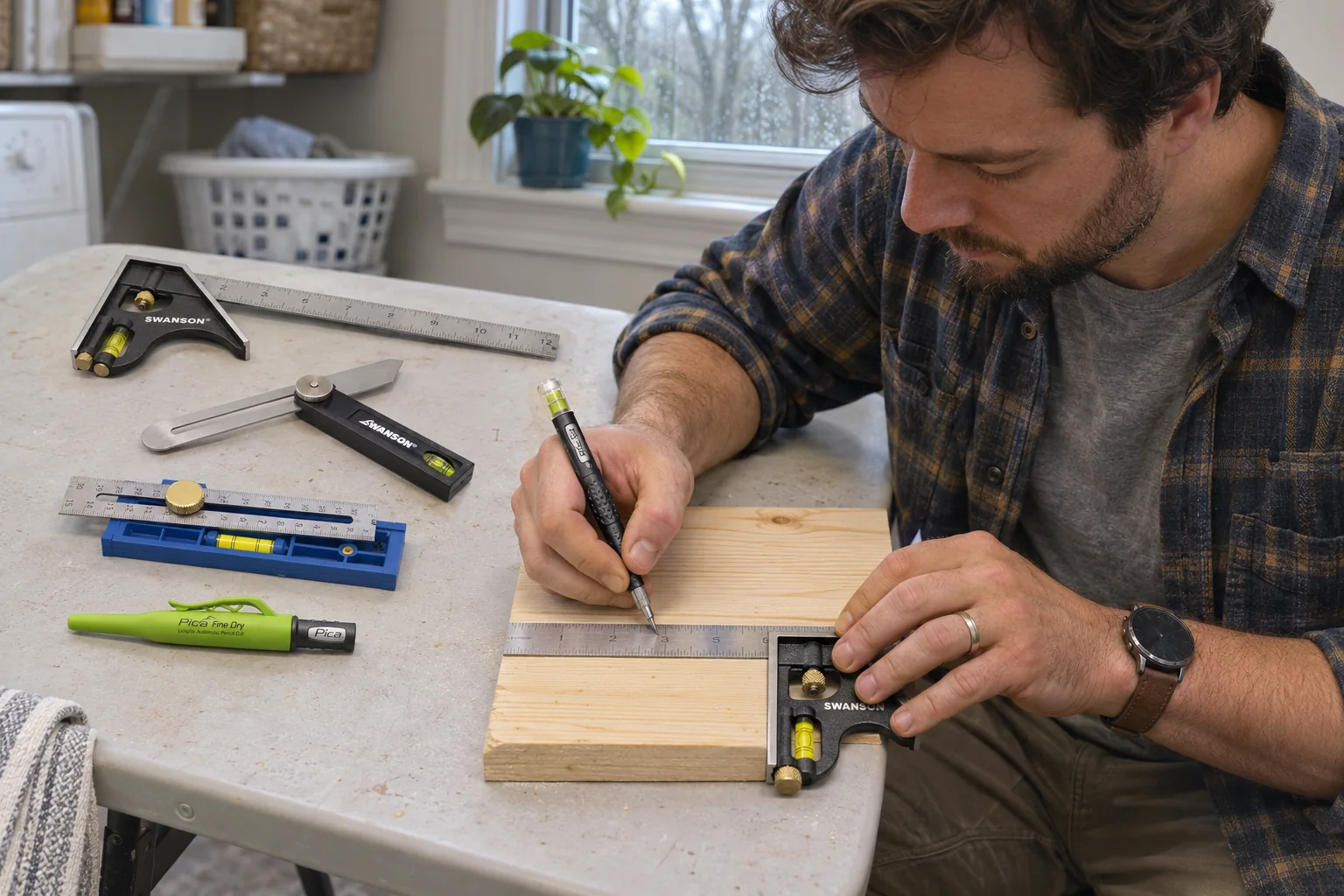
“Is this a right angle?” and “Can I copy this angle?” are different questions. A try square gives you a fixed ninety-degree reference. A sliding bevel locks to an existing angle so you can transfer it. A combination square adds a moving rule and a head with fixed working faces.
A bevel does not become a protractor merely because it pivots. The Swanson TS150 has no graduated degree readout. It is useful precisely because you can preserve a shape without converting it into a number and back again.
Fixed references are pleasantly simple
The TS152 has an eight-inch stainless blade and a hardwood handle. There is no head position to remember and no angle to set for a routine ninety-degree check. Seat the handle against a clean reference surface and look at the relationship along the blade.
Light showing through a gap tells you that the surfaces do not agree at that placement; it does not by itself tell you which surface is at fault. Check the work’s edge and the tool’s cleanliness before drawing a conclusion.
Transfer the angle without changing its orientation
When using a sliding bevel, note which face of the tool touched each surface. An angle copied from the opposite side can produce its supplement rather than the line you meant to transfer. A quick pencil sketch with the two reference faces marked is often enough to prevent the mix-up.
Lock the TS150’s thumbscrew before moving it away from the original reference. Check that the blade has not shifted as you tighten it. Make a trial mark on scrap and compare it with the original before using the setting on a finished part.
Where the combination square belongs
A small combination square is useful when the work mixes right-angle checks with depth or offset marking. It saves a tool change, but it also gives you a sliding setting to watch. Keep that distinction in mind when a simple fixed square would do.
For a small kit, buy according to the missing function. If you already have a reliable right-angle reference, another fixed square may add less than a bevel for copying odd angles. If you never need to copy an angle, the bevel can wait.
Sources
- Swanson 8-inch Try Square (TS152)Checked November 15, 2026
- Swanson 8-inch Sliding T-Bevel (TS150)Checked November 15, 2026
- Swanson 6-inch Combination Square (TC130)Checked November 15, 2026