
Pica and Swanson pencil refill compatibility
Pica Dry, Fine Dry and Swanson AlwaysSharp use different refill systems. Keep the model name with the spare tips.
Three refill systems to keep separate
Scroll sideways to compare.
| Compare | 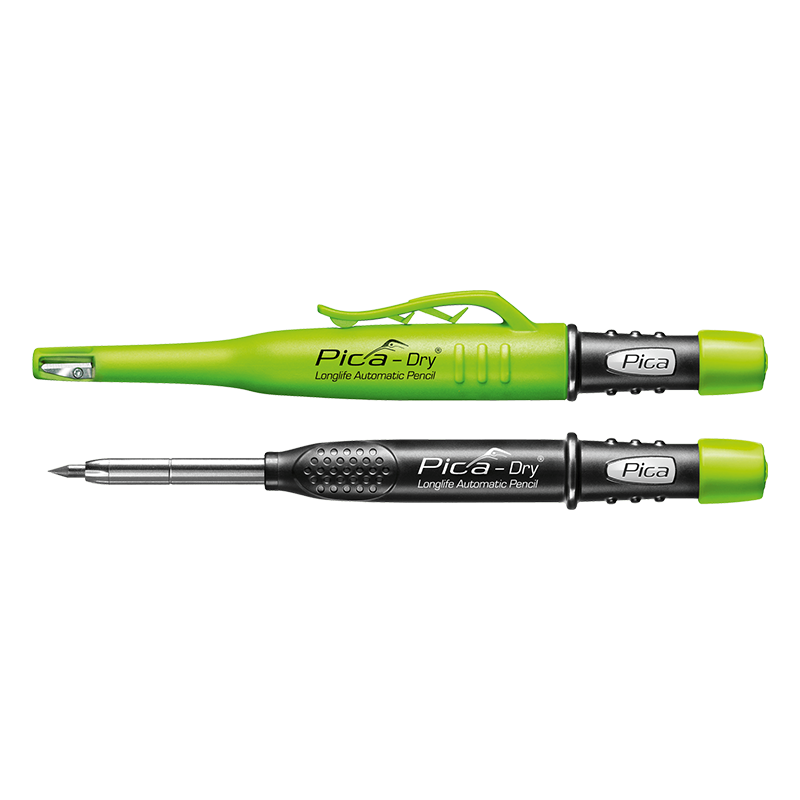 Pica Dry | 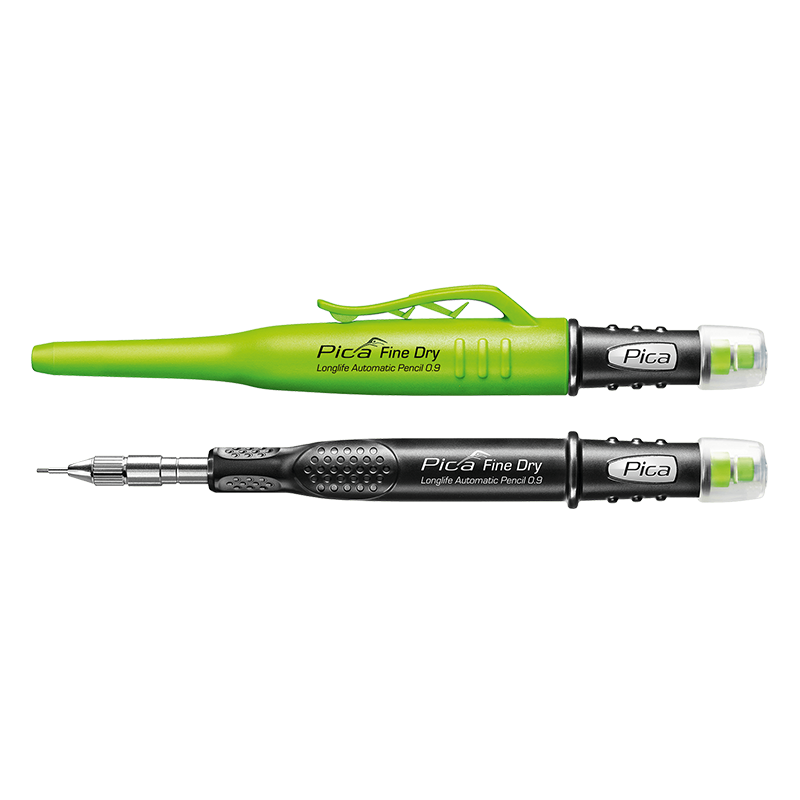 Pica Fine Dry | 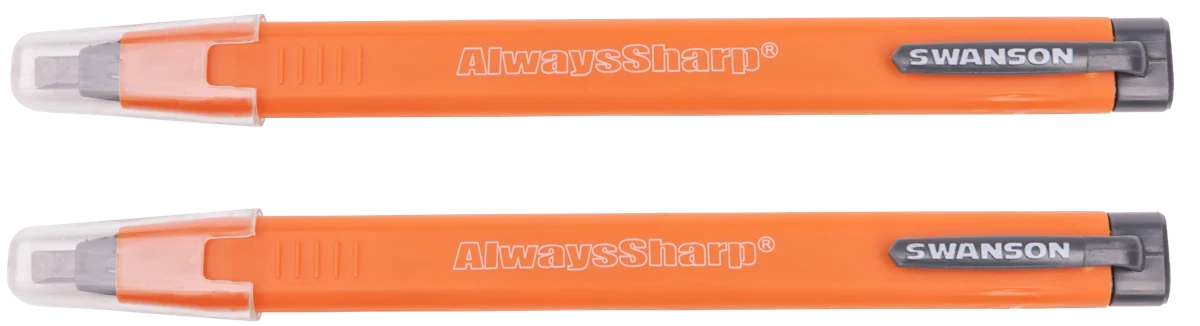 Swanson AlwaysSharp pencils | 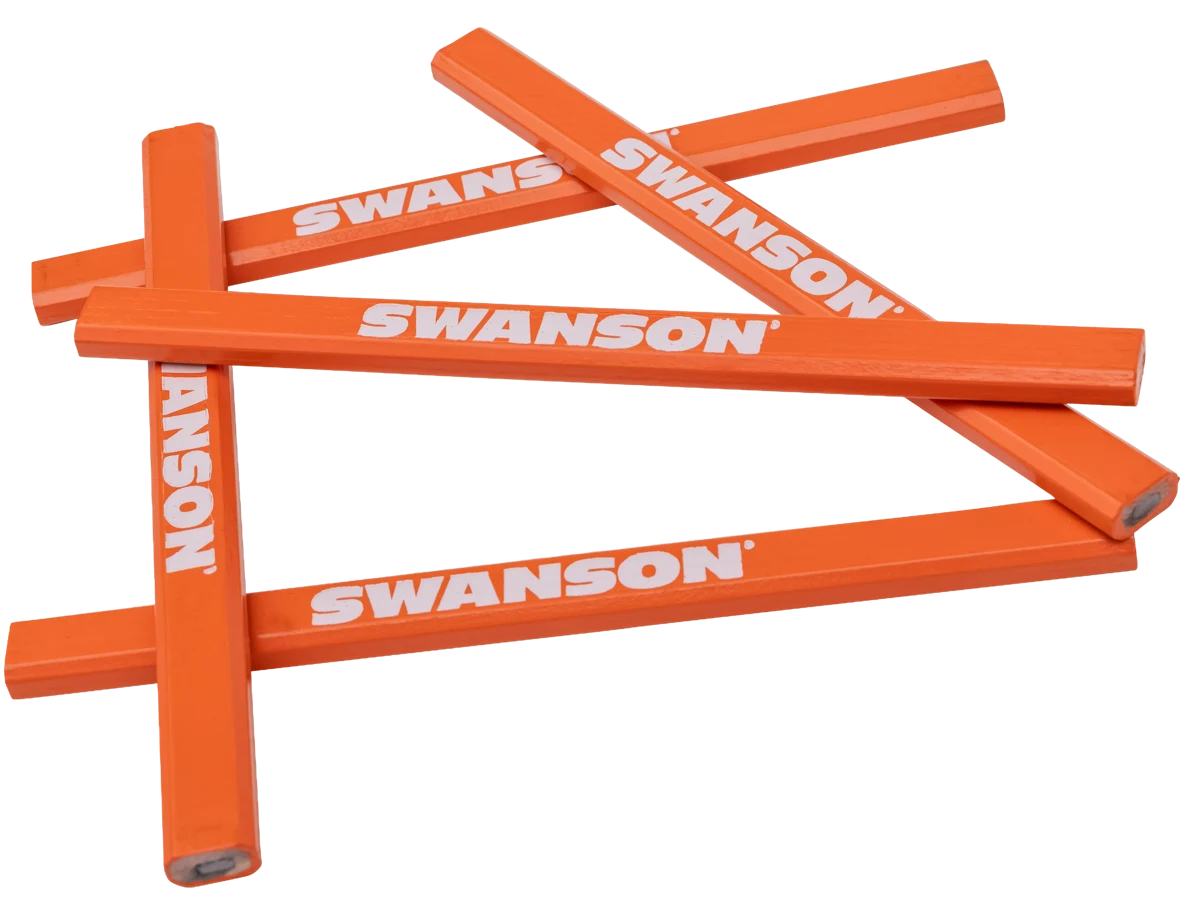 Swanson carpenter pencils |
|---|---|---|---|---|
| System | Pica Dry | Pica Fine Dry | AlwaysSharp | Wood carpenter pencil |
| Size / format | 2.8 mm lead | 0.9 mm lead | Replacement cartridge | No separate refill |
| Before ordering | Match Dry family and formulation | Match Fine Dry family and formulation | Match CP216 cartridge format | Replace or sharpen the pencil |
Label the refill box before the packaging goes
Put the pencil model and refill size on the compartment where the spares will live. Pica Dry 3030 and Fine Dry 7070 share colors but use 2.8 mm and 0.9 mm lead respectively; AlwaysSharp uses cartridges instead.
When a refill runs out, match the full system rather than the appearance of the pencil body. After confirming compatibility, check the intended marking material and removal instructions for the chosen refill. Keeping a small labeled supply is more useful than a mixed drawer of nearly suitable tips.
- Record model, diameter or cartridge type together.
- Keep each system in its own compartment.
- Recheck the product listing when a replacement has a different name or pack.
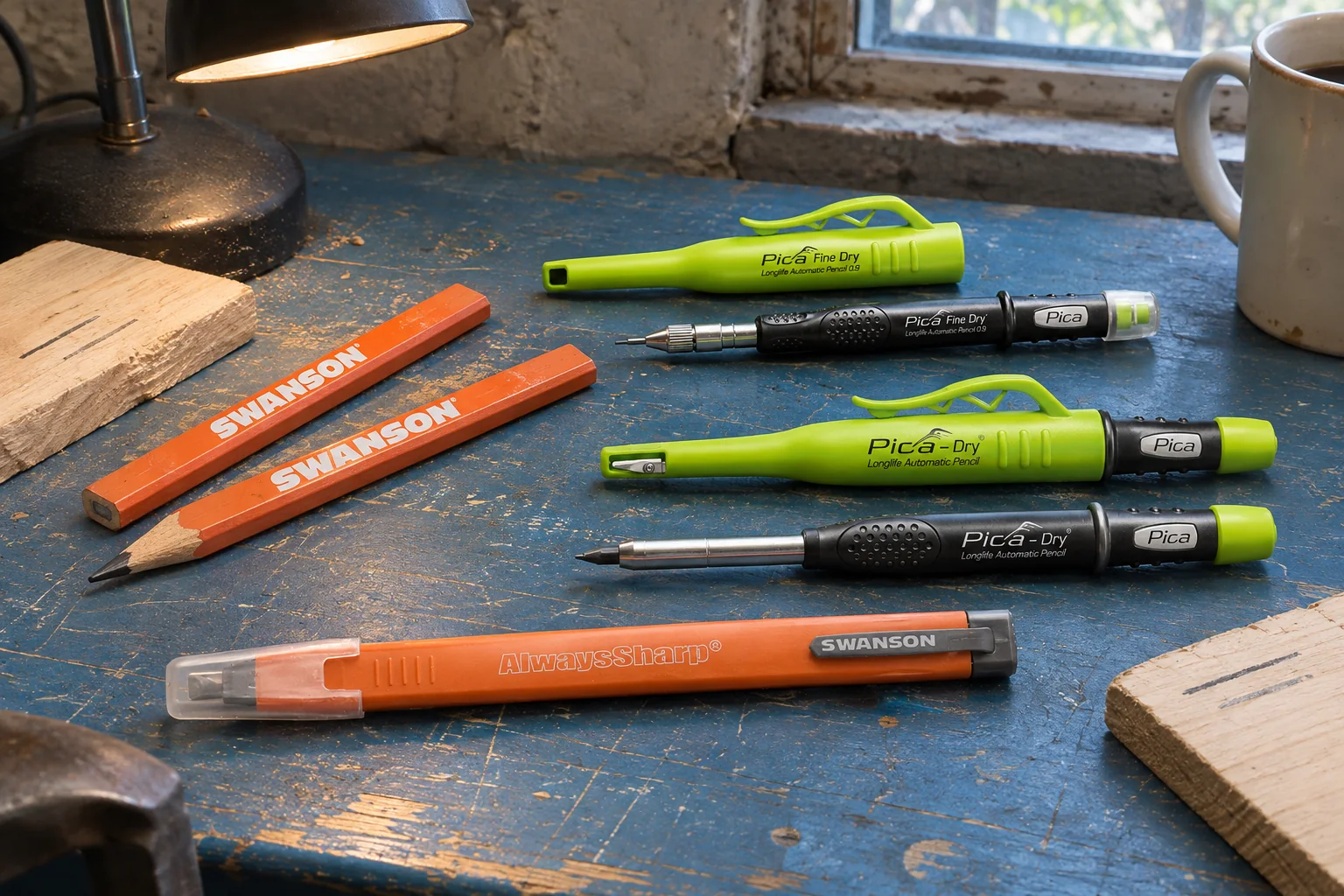
Keep the model on the shopping note
“Graphite refill” is too broad a description. Pica’s two pencils here use very different diameters, and Swanson’s AlwaysSharp uses a cartridge rather than a loose stick of lead. A familiar brand name on the package does not establish compatibility.
Write the pencil model on the container where you keep its refills. A small piece of tape reading “3030 / Dry” or “7070 / Fine Dry” is more useful than trusting that the correct green box will be obvious months later.
Diameter is necessary, but not the whole choice
The Dry family is 2.8 mm; Fine Dry is 0.9 mm. Within the correct family, the lead formulation still has to match the surface and the mark. Graphite grades and coloured leads have different purposes. Read the manufacturer’s application description for the exact refill.
Do not force a lead into a mechanism because it looks almost right. A refill is inexpensive compared with replacing the pencil or clearing a jam. Set the wrong pack aside and check the model instead.
Cartridges deserve their own compartment
The CP216 spare tip is a small assembly. Keep its cartridges together and separate from loose mechanical-pencil leads. The two-pack includes spare cartridges, which makes it possible to start a dedicated little refill box immediately.
A wooden carpenter pencil needs no refill stock. That can be a useful advantage in a shared toolbox: anybody can recognise how much pencil remains. The trade is sharpening and the changing length of the body.
A five-minute drawer audit
Before buying a large pack of refills, gather the pencils and read their model names. Put one correct refill with each, discard damaged loose fragments, and label the remaining packs. It avoids both running out and buying a second incompatible box.
Keep only a modest supply until you know which pencil gets used. The objective is a working marking tool when the next project starts, not a drawer full of every available lead colour.
- Confirm the pencil model.
- Match the refill family and diameter or cartridge format.
- Choose formulation for the actual surface.
- Keep the pack label with the remaining refills.
Sources
- Pica Dry (3030)Checked November 15, 2026
- Pica Fine Dry (7070)Checked November 15, 2026
- Swanson AlwaysSharp pencils (CP216)Checked November 15, 2026
- Swanson carpenter pencils (CP700)Checked November 15, 2026