
12-, 16- and 25-foot tape measures compared
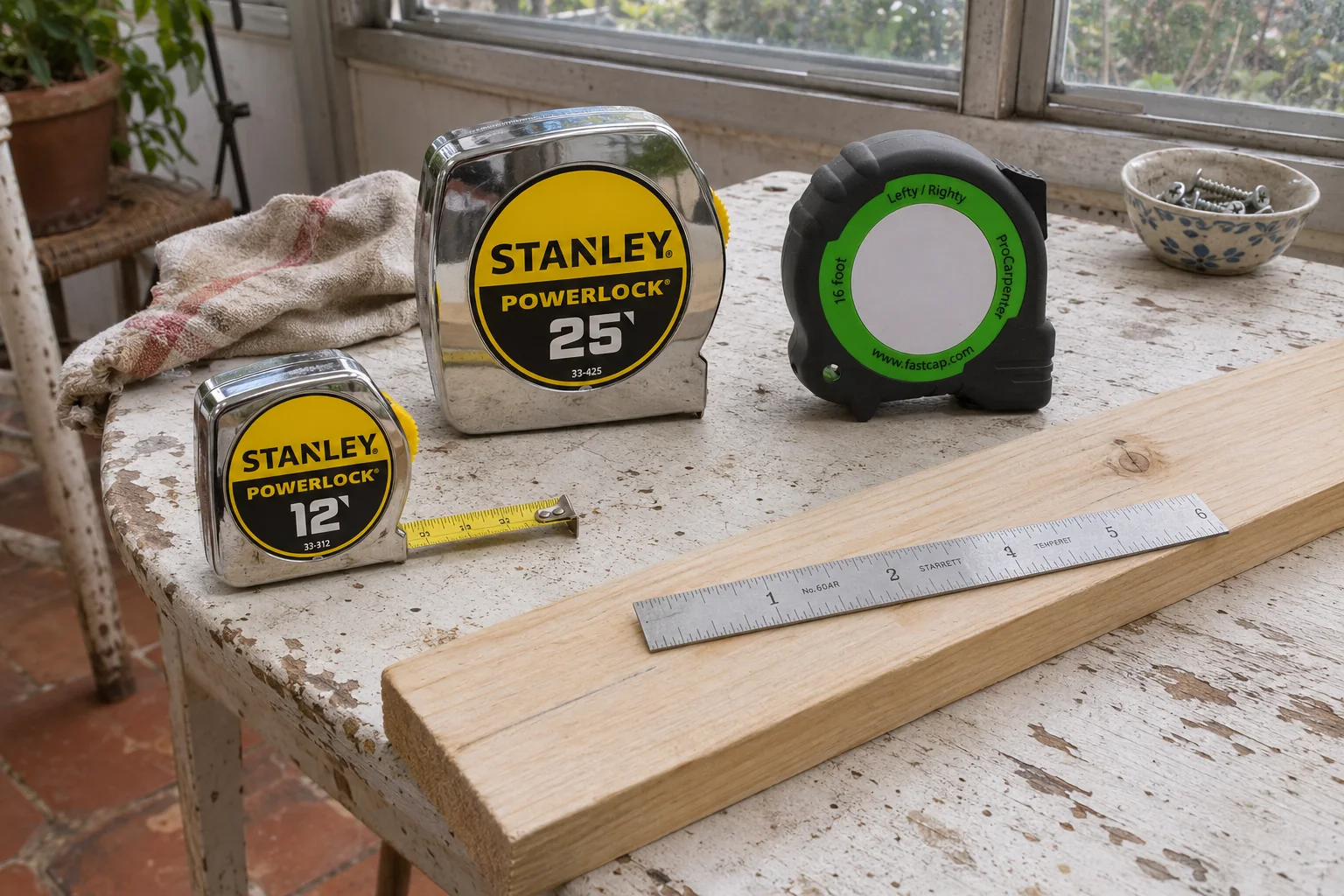
Compare 12-, 16- and 25-foot tapes by reach and readability, then keep a short rule for the small work.
Reach and readability
Scroll sideways to compare.
| Compare | 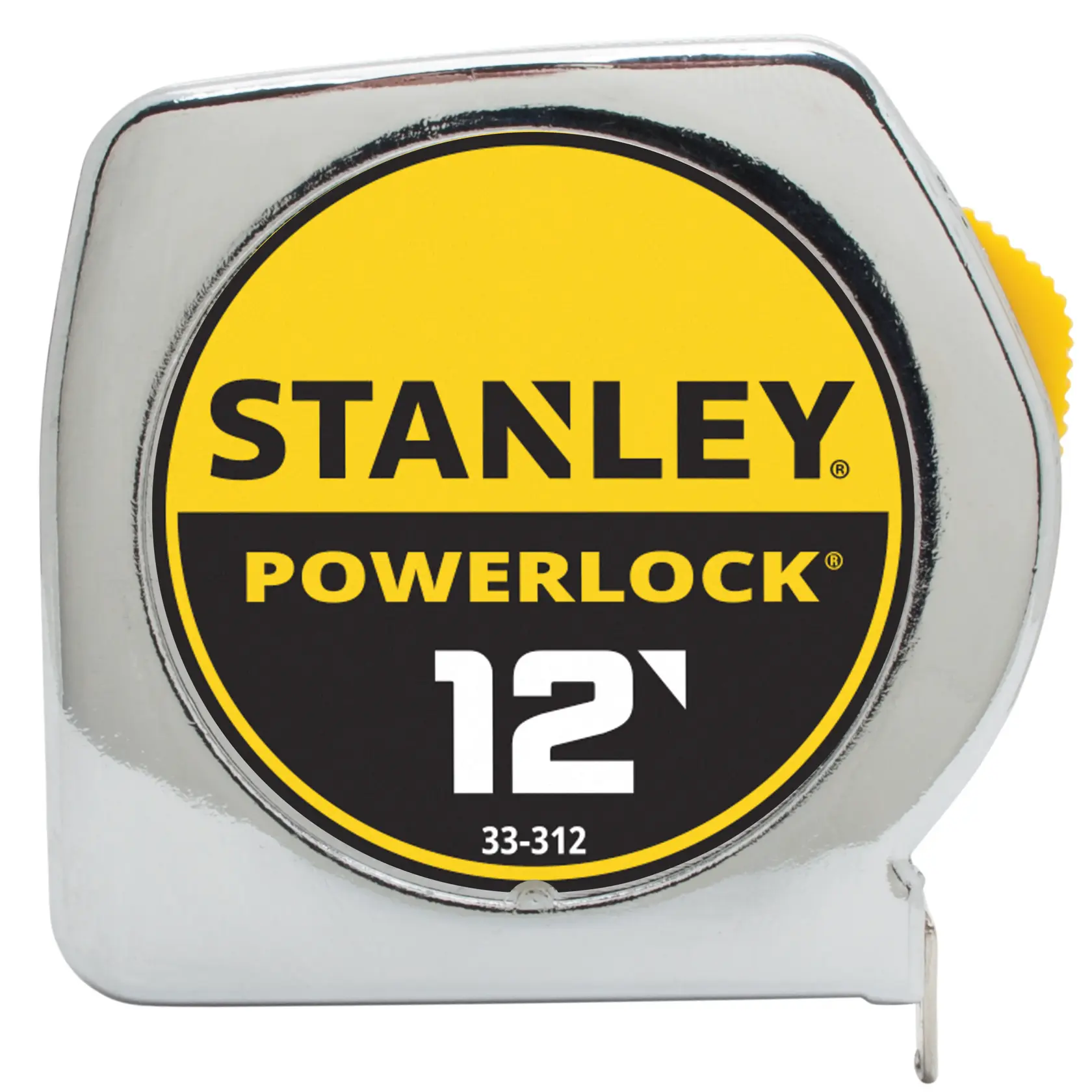 STANLEY PowerLock 12-foot tape | 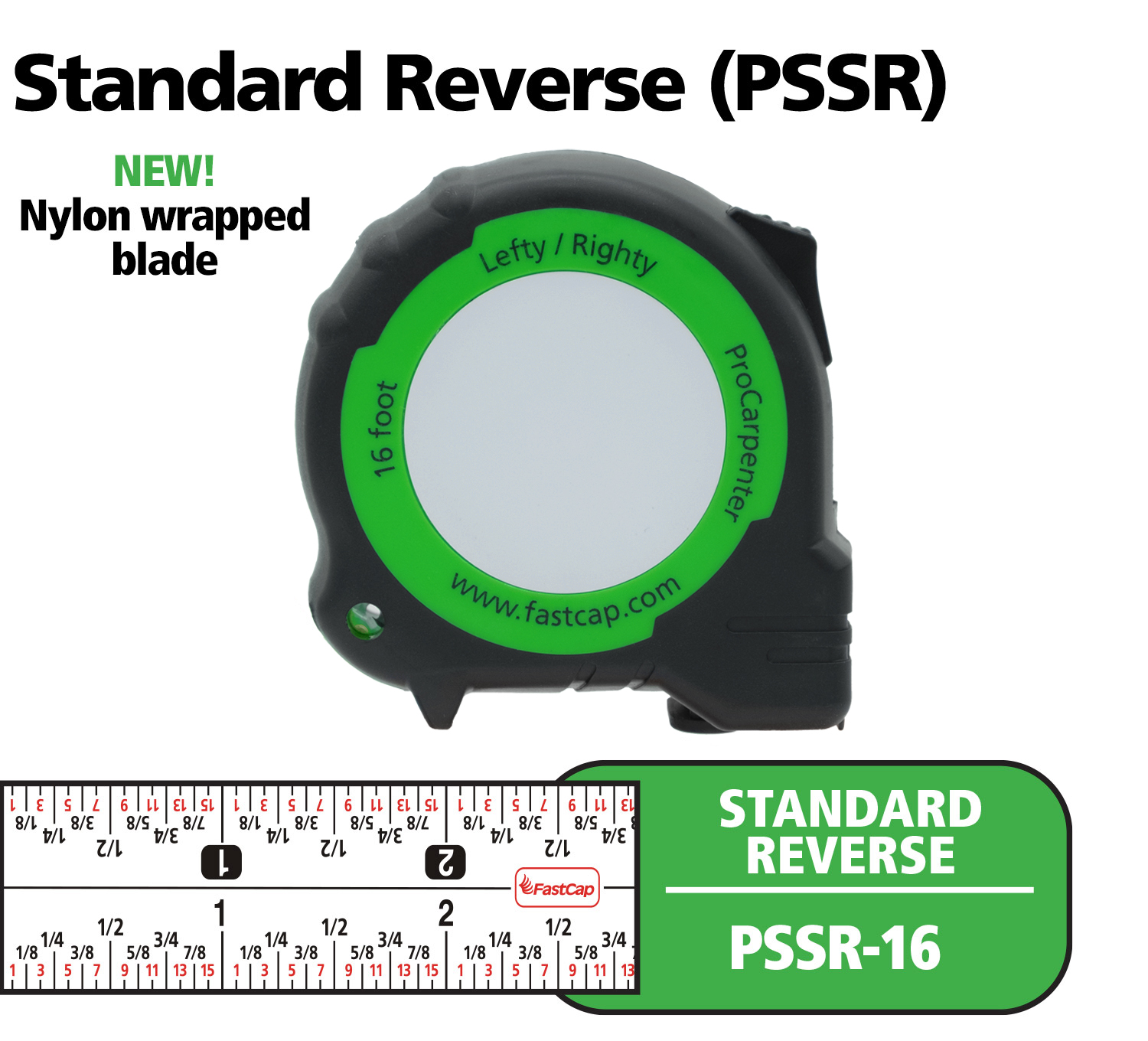 FastCap ProCarpenter Lefty/Righty 16-foot tape | 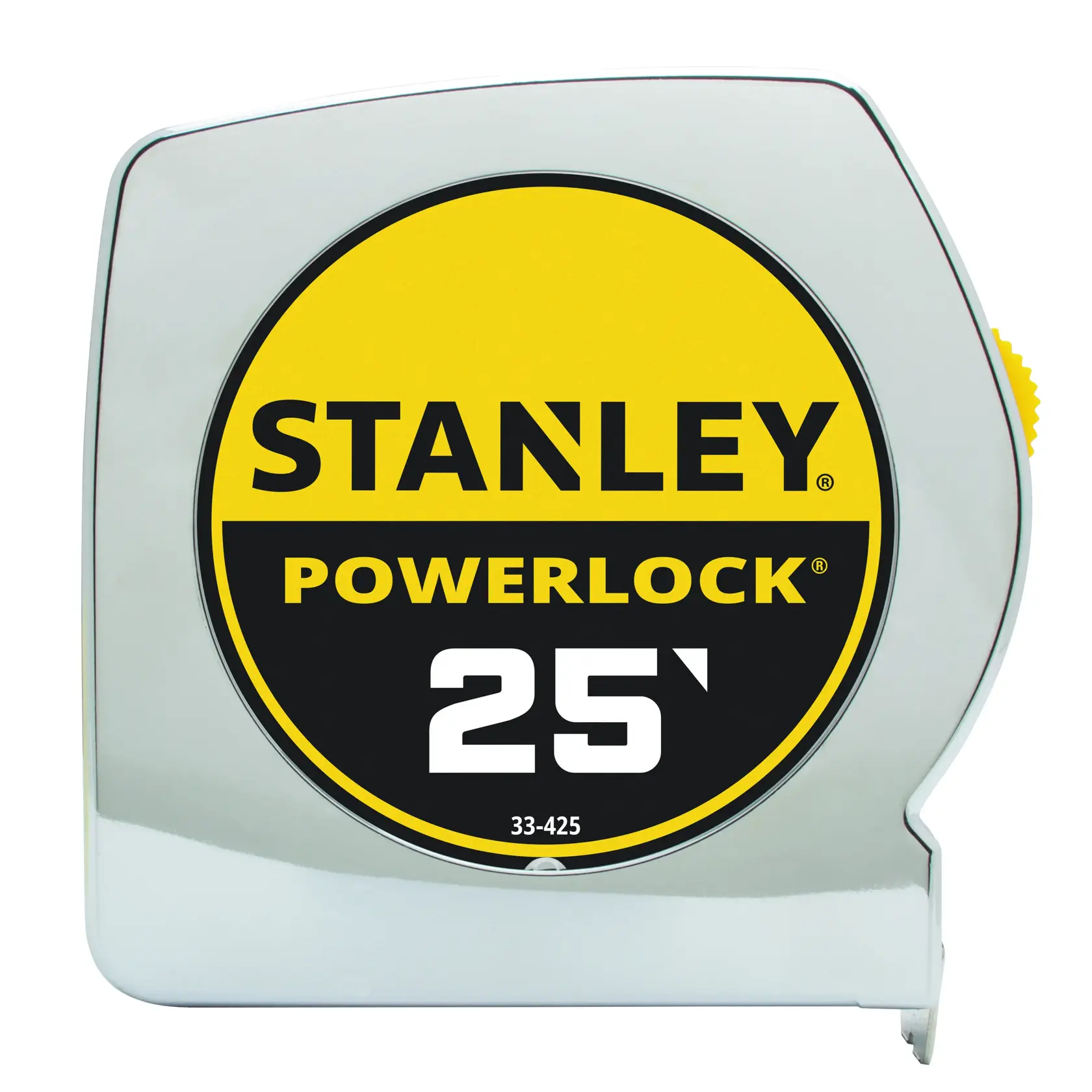 STANLEY PowerLock 25-foot tape | 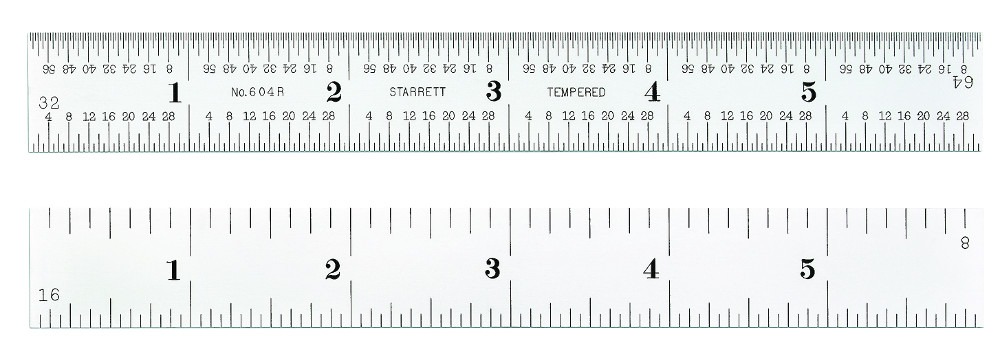 Starrett 6-inch 4R steel rule |
|---|---|---|---|---|
| Length | 12 ft | 16 ft | 25 ft | 6 in |
| Reading arrangement | Conventional inch tape | Standard / reverse | Conventional inch tape | Four fractional rule scales |
| Useful distinction | Enough reach for many furniture parts | Readable from either direction | More reach for rooms and long stock | Direct short measurements |
Choose for reach and reading direction
Measure the longest recurring job in the kit’s normal use. That gives a reason to choose a 12-, 16- or 25-foot tape. Then look at how the scale reads when the hook is at the end where you usually start; the FastCap scale variant is a specific part of that comparison.
For close offsets, a short steel rule can sit beside the tape rather than compete with it. Whichever tool is used, keep the starting reference clean and read the mark directly. Extra blade length does not solve an awkward viewing angle.
- Match the exact scale version when comparing FastCap listings.
- Keep hook position and reading direction consistent.
- Use a short rule when it makes the small measurement simpler.
Buy reach for the longest recurring job
A twenty-five-foot tape makes sense when you measure rooms or long runs. A lot of bench work never gets close to that length. The right question is whether the extra reach gets used often enough to justify carrying and handling the larger tool.
The STANLEY twelve-foot and twenty-five-foot models share the PowerLock name, but the stated reach is different. FastCap’s PSSR-16 sits between them at sixteen feet and adds a standard/reverse reading arrangement. These are functional differences worth considering before a brand preference.
Read the scale in the direction you work
A tape often gets turned around because the hook has to start from the opposite side of the part. FastCap’s standard/reverse layout is intended to remain readable from either direction. If upside-down numbers slow you down, that can matter more than another several feet of blade.
Make sure the listing actually says PSSR-16. The ProCarpenter family page includes other scales and lengths. “Lefty/Righty” and a sixteen-foot model number are more useful identifiers than a photograph of a similar case.
A short rule keeps short work simple
For a measurement of a few inches, a steel rule avoids managing a spring-loaded blade and hook. Starrett’s six-inch 4R rule provides eighths, sixteenths, thirty-seconds and sixty-fourths. Select the scale you need rather than automatically reading the densest one.
A tape and a rule can disagree because of how they are positioned, a damaged hook or the line being read. For parts that must match each other, use one consistent reference system rather than casually switching tools midway.
Keep the hook clean and the return controlled
The tape hook and blade edge deserve a quick look before an important layout. Remove debris and look for obvious bends or damage. The end is part of the measurement system, not just a convenient handle.
Guide the blade back into the case instead of letting it snap back uncontrolled. Put the tape away dry and keep it separate from wet glue and finishing residue. These small habits are more useful than buying extra length to solve a problem that is really about handling.
Sources
- STANLEY PowerLock 12-foot tape (33-312)Checked November 15, 2026
- FastCap ProCarpenter Lefty/Righty 16-foot tape (PSSR-16)Checked November 15, 2026
- STANLEY PowerLock 25-foot tape (33-425)Checked November 15, 2026
- Starrett 6-inch 4R steel rule (C604R-6)Checked November 15, 2026